It’s imperative to safeguard your digital identity in an age where social media oversharing can lead to severe privacy breaches. Utilizing hardware wallets not only secures your cryptocurrencies but also enhances your overall social media security. By taking proactive steps to minimize exposure and using these devices, you can effectively protect sensitive information from malicious attacks. This post will explore into strategies that combine hardware wallet security with smart social media practices to help you maintain a safe digital footprint.
Key Takeaways:
- Utilizing hardware wallets offers enhanced security for managing digital assets, minimizing exposure to online threats.
- Social media settings should be adjusted to limit public access to personal information and financial details.
- Regularly audit connected applications and devices to ensure they do not compromise hardware wallet security.
Understanding Hardware Wallets
What is a Hardware Wallet?
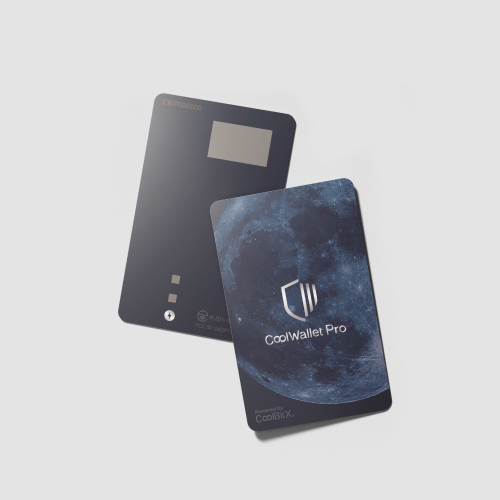
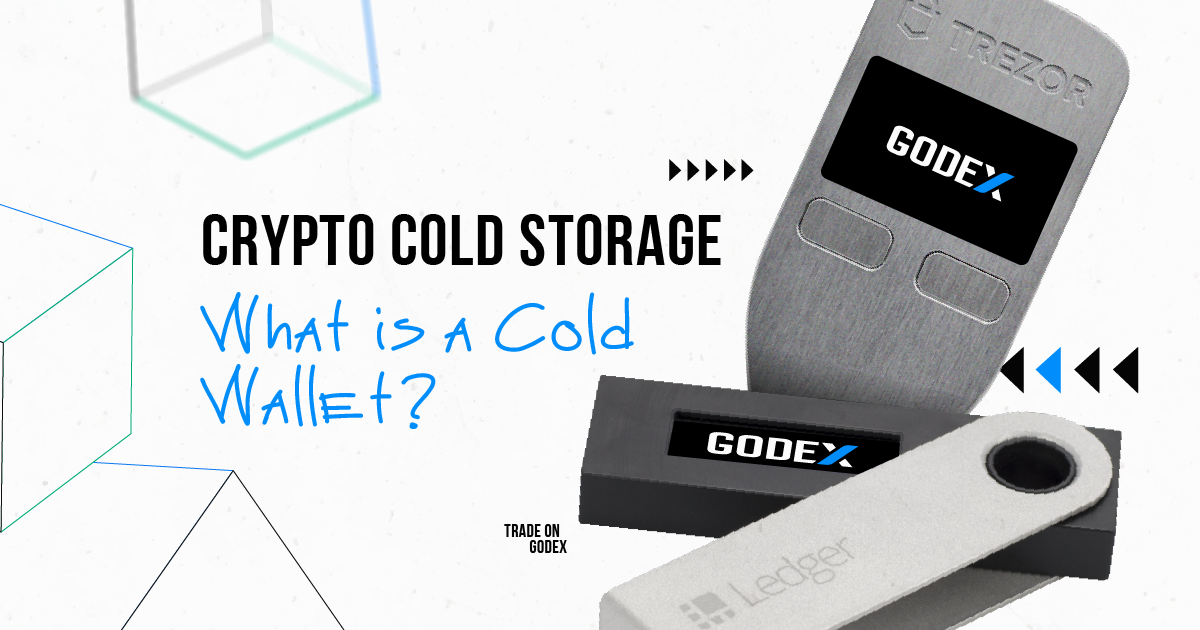
Your digital assets require robust security measures, and a hardware wallet provides exactly that. A hardware wallet is a physical device designed to store your cryptocurrency private keys offline, making it significantly less vulnerable to hacking compared to software wallets hosted on connected devices.
Before adopting any digital currency storage solution, it’s important to understand that hardware wallets keep your keys secure in a protected environment. They require physical access to the device in order to execute transactions, which greatly minimizes the risk of online threats, malware, and phishing attacks targeting your assets.
Benefits of Using Hardware Wallets
Along with heightened security, hardware wallets offer a user-friendly interface and convenience for managing multiple cryptocurrencies. Users can safely interact with their digital assets without exposing private keys to the internet, allowing for a better overall protection strategy.
Consequently, hardware wallets provide robust security features, like encrypted storage and PIN protection, ensuring that only you can access your funds. They are also resistant to viruses, and many models support a wide range of currencies, enhancing flexibility for users managing diverse portfolios. This combination of security and convenience makes hardware wallets a leading choice for anyone serious about protecting their digital footprint.
Social Media and Digital Footprint
You are constantly shaping your digital footprint through your social media interactions. What you post, share, and comment on not only defines your online persona but also affects your overall digital security. Every piece of information you reveal increases your vulnerability to potential threats, making understanding the connection between your social media activity and digital safety vital for your protection.
The Connection Between Social Media and Digital Security
Above all, social media platforms serve as a treasure trove of personal information that cybercriminals can exploit. Data such as your location, interests, and even your friends and family connections provide valuable insights for attackers, making your profile an easy target for identity theft and hacking attempts.
Risks Associated with Social Media Exposure
Among the various risks, oversharing personal details can lead to privacy breaches or cyberstalking. Furthermore, your social media connections and public posts can reveal patterns that attackers can use to manipulate or phish you more effectively. Even seemingly harmless posts can provide enough information to compromise your security.
Digital footprints built on social media can lead to significant risks, such as identity theft and phishing attacks. Public profiles can expose users to unwanted attention, which could culminate in stalking or harassment. The danger lies in the fact that what seems benign can turn threatening; for example, sharing your location or travel plans can invite break-ins or other crimes. Vigilance in monitoring your social media presence is vital to mitigate these risks and protect sensitive information.
Best Practices for Securing Your Hardware Wallet
Not all hardware wallets are created equal, and setting up your wallet securely is important for safeguarding your assets. Choose a reputable wallet from a trusted manufacturer, ensuring it has a solid track record of security practices. During the initial setup, always perform firmware updates to eliminate vulnerabilities that may have been discovered after purchase.
Setting Up Your Wallet Securely
Below, it’s vital to follow best practices right from the start. Use a strong, unique passphrase that combines letters, numbers, and symbols, making it harder for malicious actors to gain access. Store your recovery phrase in a secure location, preferably offline, to mitigate risks associated with digital exposure.
Regular Security Audits and Maintenance
Your wallet’s security should not be a one-time task. Regularly audit the wallet for unauthorized transactions and maintain updated software by checking for any new firmware releases. This helps in identifying and mitigating potential risks before they escalate.
It is important to establish a routine for performing these audits, as they can highlight unusual activity and ensure your wallet’s firmware is up-to-date. Implementing a consistent schedule provides peace of mind and reinforces your defenses against potential threats, keeping your digital assets secure and fortified.
Enhancing Social Media Security
Now, as social media continues to evolve, enhancing security measures is crucial for protecting your digital identity. Utilizing hardware wallets can safeguard your cryptocurrency, but securing your social media accounts is equally important. By implementing strong privacy settings and account protections, users can significantly reduce the risk of unwanted access and data breaches.
Privacy Settings and Account Protection
Between managing friend requests, profile visibility, and app permissions, privacy settings on social media platforms often go overlooked. Users must take the time to adjust their privacy settings to limit who can view personal information and posts. Enabling two-factor authentication adds an extra layer of security, making unauthorized access much more challenging for potential hackers.
Avoiding Common Social Media Pitfalls
An awareness of common social media pitfalls can drastically reduce vulnerabilities. Sharing sensitive information, such as your location or travel plans, can attract unwanted attention. Additionally, accepting friend requests from unknown individuals can expose your account to fraudsters and identity theft.
But practicing diligent security habits can lead to a safer online experience. Regularly updating passwords and using unique passwords for each account can deter unauthorized access. Being cautious about the information shared in posts, along with carefully monitoring friend requests, creates a protective barrier against potential threats. Identifying and mitigating these risks is key to maintaining a secure digital footprint on social media platforms.
Case Studies: Security Breaches
Many incidents have highlighted the vulnerabilities associated with hardware wallets and their integration with social media platforms. Notable cases include:
- Twitter Breach (2020): High-profile accounts, including those of Bitcoin promoters, were compromised, leading to over $100,000 in cryptocurrency theft.
- Ledger Data Leak (2020): Personal details of over 1 million users were exposed, leading to targeted phishing attacks and further compromises.
- Coinbase Phishing Incident (2019): Attackers exploited Twitter accounts to impersonate Coinbase, which resulted in thousands of dollars in losses.
- MyEtherWallet Phishing Attack (2018): A fake social media campaign led to a significant number of users unintentionally sharing private keys, resulting in $150,000 stolen in Ethereum.
Analyzing Notable Incidents
Above all, the analysis of these incidents reveals common patterns in how attackers exploit vulnerabilities in both hardware wallets and social media. Many attacks targeted user trust, leveraging high-profile accounts to spread deceptive messages and convince unsuspecting users to reveal sensitive information. In the case of the Ledger data leak, the exposure of personal information directly facilitated phishing schemes that exploited users’ fears and urgency, demonstrating how easily security can be breached.
Furthermore, social engineering tactics played a significant role across these incidents, with attackers often employing persuasive strategies to create an illusion of legitimacy. This has illustrated the importance of continuously educating users about potential threats and encouraging them to maintain strict security practices when integrating their wallet operations with social media.
Lessons Learned from Breaches
An analysis of these breaches emphasizes the necessity for heightened security awareness among hardware wallet users. Strong security measures, such as two-factor authentication and regular software updates, are vital in minimizing risks. Additionally, users must remain skeptical of unsolicited communications and verify the authenticity of requests for sensitive information.
Another vital takeaway is the need for hardware wallet manufacturers to prioritize user education and implement more robust security protocols. By refining security strategies and fostering vigilance amongst users, the overall integrity of hardware wallets can be enhanced, thus providing more secure environments for digital transactions.
Future Trends in Hardware Wallet Security
All digital asset holders must remain vigilant as the landscape of hardware wallet security evolves. With the increasing sophistication of cyber threats, manufacturers are constantly enhancing their security protocols to counteract these risks. This includes the development of multi-layered authentication processes and the integration of advanced cryptographic techniques that provide an extra layer of protection against hacking attempts.
As hardware wallets become more widespread, the nature of phishing and social engineering tactics also adapts. Users may face new challenges, including realistic fake communications designed to trick them into revealing sensitive information. Consequently, ongoing education and awareness campaigns will be crucial in preparing users to recognize potential threats and respond effectively.
Evolving Threats and Responses
With the increasing interconnectedness of devices and the rise of IoT, hardware wallets face evolving threats that demand agile responses from their developers. As hackers devise new methods, users may encounter heightened risks through exposure to vulnerabilities in associated applications. Developers are prioritizing the detection of these vulnerabilities and implementing rapid update mechanisms to ensure that users receive the latest security patches promptly.
Innovations in Wallet Technology
Hardware wallets are witnessing significant advancements that not only enhance user experience but also reinforce security measures. With the introduction of features like biometric authentication and on-device verification, users enjoy added peace of mind knowing their assets are secure. These innovations also include improvements in user interfaces that facilitate easier navigation and management of multiple cryptocurrencies without compromising safety.
Wallet technology continues to evolve, focusing on integrating decentralized finance (DeFi) functionalities directly into the wallet environment. This means users can engage in trading, lending, and other financial activities without needing to interact with central exchanges, which often present higher risks. Furthermore, wallet manufacturers are exploring hardware-software combinations that allow for real-time monitoring of transactions, enabling users to detect suspicious activities promptly.
Conclusion
To wrap up, securing your digital footprint in relation to hardware wallets and social media is paramount in today’s online landscape. Properly managing the integration of these two aspects helps mitigate risks associated with unauthorized access and potential data breaches. By utilizing a hardware wallet for cryptocurrency storage, users can add an extra layer of protection against cyber threats that target personal information shared on social media platforms.
Furthermore, being vigilant about privacy settings, regularly updating security protocols, and minimizing the amount of personal information shared online can significantly enhance security. Ultimately, prioritizing these measures fosters a safer digital environment, enabling individuals to interact on social media while confidently safeguarding their hardware wallet assets.
FAQ
Q: What is a hardware wallet and how does it improve social media security?
A: A hardware wallet is a physical device that securely stores your private keys offline. This separation from the internet minimizes the risk of exposure to online threats, providing enhanced protection for your digital assets linked to social media accounts.
Q: Can using a hardware wallet prevent social media hacking?
A: While a hardware wallet primarily secures cryptocurrencies, it indirectly enhances social media security by safeguarding linked accounts. By securing your assets, you reduce the incentive for hackers to target your social media profiles, as they won’ t find financial gain.
Q: What practices should I adopt alongside using a hardware wallet for better social media security?
A: Alongside a hardware wallet, use strong, unique passwords for social media accounts, enable two-factor authentication, and regularly monitor account activity for unauthorized access. Combining these practices with a hardware wallet will strengthen your overall security posture.
This article is part of our Hardware Wallet Security Cluster — the most comprehensive security resource online. → Read the Full Security Guide → Most Secure Wallets Ranking