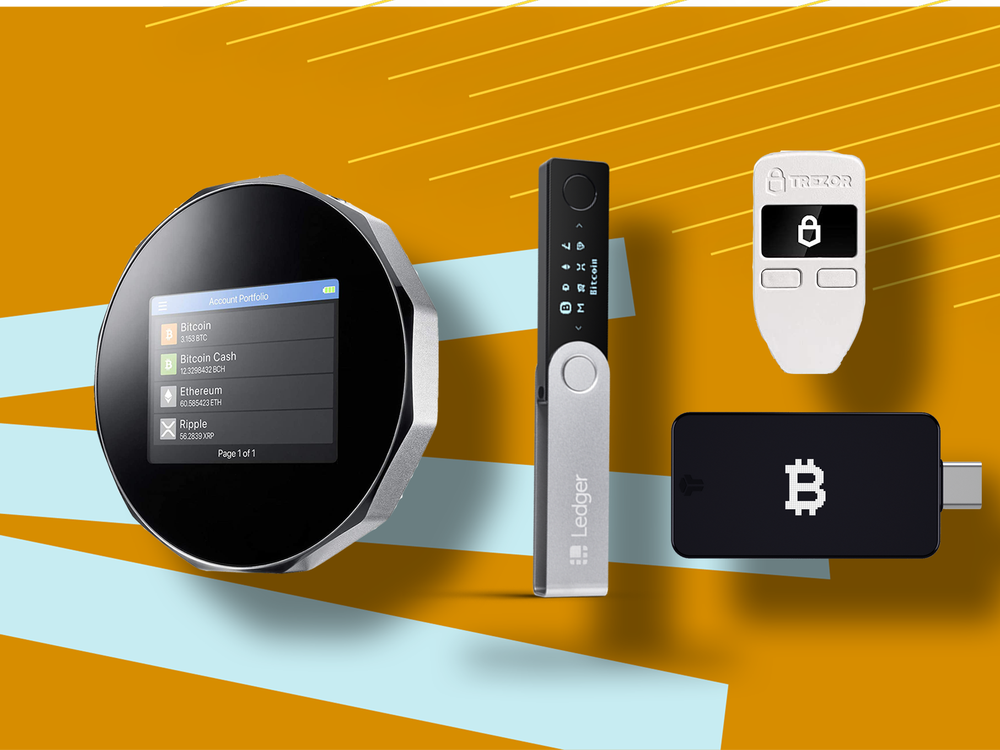
Just as the need for secure digital environments increases, implementing multi-modal identity verification in cold storage systems becomes important. This approach employs multiple biometric and non-biometric factors to enhance security, ensuring that only authorized individuals access sensitive information. By leveraging advanced technologies, organizations can significantly reduce risks associated with unauthorized access and fraud. Ultimately, robust cold storage authentication fosters trust, safeguarding both data integrity and organizational resources.
Importance of Cold Storage Authentication
As digital assets grow in value, ensuring their security through cold storage authentication has become imperative. This process not only safeguards sensitive data but also strengthens user trust across various platforms. With a myriad of threats targeting digital assets, implementing robust authentication measures mitigates potential losses and enhances the overall security posture of businesses.
Investing in cold storage authentication also aids in maintaining a competitive edge in the rapidly evolving digital landscape. Organizations that prioritize security can attract more customers, reduce the likelihood of breaches, and foster a reputation for reliability. As such, the adoption of these measures is not just a technical necessity but a strategic choice for long-term sustainability.
Security Risks
Below the surface of appealing digital assets lie significant security risks that can lead to serious breaches. Cybercriminals continuously exploit vulnerabilities, aiming to steal private keys or compromise secure environments. Without stringent cold storage authentication methods, the likelihood of unauthorized access increases, potentially resulting in irreversible losses.
Furthermore, reliance on traditional methods of authentication may leave systems susceptible to evolving threat vectors. Failure to adapt cold storage strategies to counteract these threats can create a false sense of security, opening the door to attacks that could cripple an organization’s reputation and fiscal health.
Regulatory Compliance
For organizations managing digital assets, regulatory compliance is non-negotiable. With various laws and frameworks in place, such as GDPR and CCPA, the need for robust cold storage authentication mechanisms becomes even more pressing. Non-compliance can lead to severe financial penalties and reputational damage, emphasizing the importance of integrating effective identity verification processes.
Consequently, meeting compliance requirements not only protects users’ data but also fosters customer loyalty and confidence. Organizations that proactively embrace these regulations are less likely to experience legal repercussions and can promote themselves as trusted entities in the digital realm. By prioritizing cold storage authentication within the regulatory framework, businesses can enhance their operational resilience and market positioning.
Multi-Modal Identity Verification
It is vital to enhance security measures in cold storage authentication by integrating multi-modal identity verification techniques. This approach combines multiple forms of identification, such as biometrics, behavioral analysis, and hardware security, to create a layered defense strategy. By leveraging various authentication methods, organizations can significantly reduce the risk of unauthorized access and improve the overall resilience of their security systems.
Biometric Methods
One of the most effective components of multi-modal identity verification is biometric methods. These techniques utilize unique human characteristics, such as fingerprints, facial recognition, or iris scans, to authenticate users. The use of biometrics not only provides a high level of accuracy in user identification but also enhances convenience by minimizing the need for passwords or physical tokens.
Behavioral Analysis
Behind biometric methods, behavioral analysis adds another layer of identity verification by monitoring the patterns of user interactions with systems. This approach evaluates factors like typing speed, mouse movement, and even the way individuals hold their devices to establish a unique user profile. By focusing on dynamic characteristics, behavioral analysis can detect discrepancies that may indicate potential fraud or unauthorized access.
For instance, anomalies in typing patterns could trigger alerts if a user’s behavior suddenly changes, suggesting that someone else might be attempting to gain access. Additionally, this method continually updates user profiles based on real-time data, ensuring that the system adapts to subtle changes in behavior while maintaining strong security measures against identity theft and fraudulent activities.
Technologies Used in Multi-Modal Verification
While the landscape of identity verification continues to evolve, multi-modal authentication combines various technologies to enhance security and user experience. This approach allows organizations to utilize multiple forms of verification methods, such as biometrics, smart cards, and tokens, which significantly lowers the risk of unauthorized access. The integration of these diverse technologies ensures a more robust security framework, addressing potential vulnerabilities associated with single-factor verification methods.
Hardware Solutions
Among the prominent hardware solutions employed in multi-modal verification are biometric scanners, secure access tokens, and smart card readers. Biometric scanners, such as fingerprint and facial recognition devices, offer a unique layer of identification that is hard to duplicate. Meanwhile, secure access tokens, which generate one-time passwords, provide an additional safety measure, ensuring that the user is indeed who they claim to be. These hardware components work synergistically to form a comprehensive security system.
Software Solutions
Across various platforms, software solutions play a vital role in enabling multi-modal verification. Identity management systems utilize algorithms to analyze and verify user data across multiple modalities. These systems often integrate with hardware to ensure a seamless verification process, combining factors like passwords, biometric data, and device recognition. With advanced machine learning capabilities, software solutions can adaptively improve their verification processes, enhancing user experience while maintaining high security standards.
Solutions focused on software also leverage encryption techniques to protect sensitive data during transmission and storage, ensuring that personal information remains secure from cyber threats. By utilizing databases that support multi-factor authentication, organizations can implement tailored strategies that cater to their specific security needs, providing an adaptable framework in an ever-changing digital landscape.
Implementation Challenges
After establishing a robust multi-modal identity verification system for cold storage authentication, several implementation challenges emerge. Technical integration across various platforms can pose significant hurdles, particularly in aligning different biometric systems, hardware capabilities, and databases. Additionally, maintaining security during data transmission and storage becomes paramount to ensure that proprietary information is not compromised.
Moreover, the need for continuous hardware upgrades and maintenance further complicates the rollout process. As the technology evolves, keeping pace with emerging threats requires organizations to invest in ongoing training and system evaluations, making the initial setup only part of a broader, escalating challenge.
Cost Considerations
At the forefront of the implementation challenges is the cost factor associated with multi-modal identity verification systems. Setting up such systems demands a significant initial investment not only for the technology itself but also for the necessary infrastructure improvements. Organizations must consider the financial burden of acquiring advanced authentication devices and the software needed for integration.
Additionally, long-term maintenance costs, including system upgrades and potential downtime, can strain budgets. Organizations must conduct thorough cost-benefit analyses to justify these investments, weighing them against the potential savings from reduced fraud and enhanced security.
User Acceptance
Against the backdrop of advanced technology, user acceptance presents another challenge. Users may exhibit resistance to adopting new authentication methods due to concerns over privacy and data security. The perception that multi-modal systems are overly intrusive could hinder their acceptance, affecting overall system effectiveness.
Even with robust technology in place, user training and communication play necessary roles in fostering acceptance. Proper education about the benefits, combined with transparent policies addressing privacy concerns, can mitigate apprehension. Organizations that prioritize user engagement during the implementation phase increase the likelihood of successful adoption and reinforce trust in the new system.
Case Studies
Despite the challenges of implementing multi-modal identity verification systems, various organizations have successfully integrated these technologies into their cold storage authentication processes. The following case studies illustrate the effectiveness and benefits of such systems:
- Case Study 1: A leading financial institution reduced unauthorized access by 85% through biometric and OTP verification.
- Case Study 2: A major pharmaceutical company enhanced compliance by achieving 98% accuracy in patient identity verification using facial recognition and ID scanning.
- Case Study 3: An energy sector firm reported a 50% decrease in data breaches after integrating voice recognition technology with traditional password systems.
- Case Study 4: A tech company realized a 30% reduction in login times with their implementation of multi-factor authentication, increasing user satisfaction.
Successful Implementations
Case studies highlight how effective multi-modal identity verification can be in enhancing security for cold storage solutions. Companies that adopted integrated systems experienced significant improvements in their authentication processes. For example, the financial institution’s use of both biometric data and one-time passwords dramatically minimized instances of fraud and unauthorized access.
Moreover, the pharmaceutical company’s dual verification methods not only ensured compliance but provided peace of mind for patients regarding the security of their sensitive information. These successful implementations demonstrate the substantial ROI that can stem from investing in multi-layered authentication strategies.
Lessons Learned
About the implementation of multi-modal identity verification, organizations learned that initial resistance from users can pose challenges but ultimately leads to greater acceptance of security measures. Training and user support were crucial in overcoming skepticism regarding new verification protocols.
Lessons from these case studies emphasize the importance of balancing security with user convenience. Strong implementations showed that seamless user experiences can foster higher compliance rates while protecting against threats. The integration of various verification methods proved crucial in not only enhancing security but also reducing potential risks associated with single-method solutions.
Future Trends in Cold Storage Authentication
Unlike traditional authentication methods, future trends in cold storage authentication are likely to rely heavily on emerging technologies that enhance security and user experience. The integration of blockchain technology will provide a robust and transparent verification process, reducing the risk of tampering and unauthorized access. Simultaneously, advancements in biometric sensors will allow for more sophisticated forms of identity verification, offering greater convenience while maintaining high levels of security.
Technological Advancements
Around the world, innovations in artificial intelligence and machine learning are shaping the way cold storage authentication systems operate. These technologies can analyze patterns and behaviors to identify potential security threats in real-time, making systems more proactive than reactive. Additionally, the use of decentralized identity solutions is gaining traction, facilitating enhanced control for users over their identity data while promoting privacy.
Evolving Threat Landscape
Across various sectors, the threat landscape is continuously adapting, with cybercriminals employing increasingly sophisticated tactics to breach security measures. As cold storage solutions become more advanced, attackers are likely to target vulnerabilities within the technologies themselves, necessitating the need for ongoing updates and improvements in authentication methods. This includes integrating dynamic risk assessments that adjust security protocols based on user behavior or environmental factors.
Indeed, as cold storage authentication evolves, it becomes imperative to address the growing complexities of cyber threats. The rise of state-sponsored attacks and organized cybercrime further demands a multi-layered approach to security. By combining behavioral analytics, biometric data, and AI-driven insights, future authentication strategies can maintain resilience against these sophisticated threats, ensuring the protection of critical assets in cold storage environments.
To wrap up
Presently, Cold Storage Authentication through Multi-Modal Identity Verification stands as a significant advancement in securing sensitive data and assets. By combining various verification methods, such as biometric scans, facial recognition, and traditional authentication techniques, organizations can enhance the accuracy and reliability of identity verification processes. This multi-faceted approach minimizes risks associated with unauthorized access, ensuring that only legitimate users are granted entry to secured environments or information.
The implementation of these advanced security measures not only fortifies the protection of valuable assets but also fosters trust among users. As technology continues to evolve, incorporating multi-modal identity verification in cold storage systems will likely become a standard practice, offering a reliable solution that meets the demands of an increasingly digital and security-conscious world.
FAQ
Q: What is Cold Storage Authentication?
A: Cold Storage Authentication refers to the secure method of storing and verifying identities through offline means. It minimizes the risks of online attacks by keeping sensitive data in environments that are not accessible via the internet, requiring multi-modal methods for user verification.
Q: How does Multi-Modal Identity Verification work?
A: Multi-Modal Identity Verification combines various methods such as biometric recognition (fingerprint, facial recognition), security tokens, and traditional password systems. This approach ensures that multiple forms of identity validation are used, making unauthorized access much more difficult.
Q: What are the benefits of using Cold Storage Authentication with Multi-Modal Identity Verification?
A: The benefits include enhanced security by reducing exposure to online threats, increased confidence from users in the safety of their data, and compliance with stringent regulations requiring strong identity verification methods. It also allows for quicker recovery processes in case of a security breach.