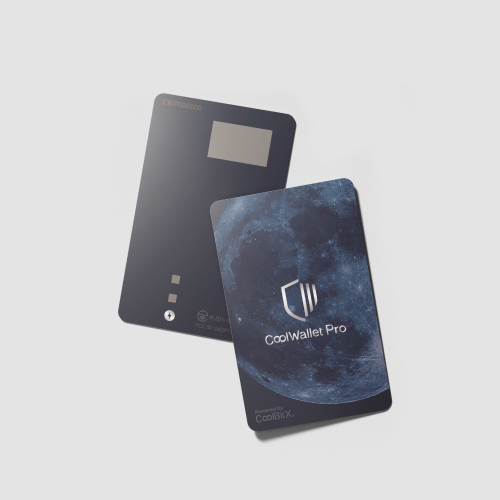
With your cryptocurrency security in mind, understanding the differences between Bluetooth and USB connections in mobile-friendly hardware wallets is necessary. Bluetooth offers the convenience of wireless transactions, while USB devices generally provide a more stable connection. However, Bluetooth can expose your wallet to potential hacking risks, whereas USB connections may require physical access to your device, adding a layer of security. This guide will help you weigh the advantages and disadvantages of each option to make an informed choice that best suits your needs.
Key Takeaways:
- Bluetooth hardware wallets offer greater convenience and portability, allowing for wireless connections to mobile devices.
- USB connections provide a more secure and stable connection, minimizing potential vulnerabilities associated with wireless technology.
- Battery life is a consideration, as Bluetooth wallets may require frequent charging compared to USB wallets that rely on the host device’s power.
The Battle of Connections: Bluetooth vs USB
Speed and Efficiency in Data Transfer
Bluetooth connections typically offer a convenient, wireless option for transferring data between your mobile device and hardware wallet. Modern Bluetooth technology can achieve speeds of up to 3 Mbps, enabling you to access your wallet quickly and execute transactions seamlessly. However, latency can sometimes be an issue, especially in densely populated areas where signals may compete, leading to potential delays in communication. If speed is your top priority for transactions, you might find that USB connections, with their direct wired format, consistently allow for faster data transfer rates and more reliable connections without the interference that Bluetooth might experience.
In scenarios where multiple transactions need to happen rapidly, using USB can significantly enhance your efficiency. The direct connection facilitates swift data transfer, enabling you to perform a series of transactions without waiting for Bluetooth signals to stabilize. Additionally, with USB connections, there is less risk of connection loss or drop, providing a more secure environment for transferring sensitive data.
Power Consumption and Battery Life
In terms of energy usage, Bluetooth generally outshines USB connections, particularly in mobile-friendly hardware wallets. Bluetooth Low Energy (BLE) technology can maintain connectivity while consuming minimal power, prolonging the battery life of your wallet. For daily users who frequently access their cryptocurrencies, this means less frequent charging and a more sustainable usage pattern. Conversely, USB connections tend to draw more power, particularly when charging devices or maintaining a stable link, which can lead to quicker depletion of battery life.
The trade-off between convenience and power consumption becomes evident when you consider how often you engage with your hardware wallet. If you prioritize ease of use, Bluetooth may be your go-to option, whereas USB will cater better to those who frequently transact without concern for battery longevity.
Over an extended period of using Bluetooth, you might find that the trade-off in connection quality at peak times is worth it for improved battery conservation. It’s useful to note that many Bluetooth-enabled hardware wallets are engineered to optimize power consumption, ensuring that even sporadic use results in minimal energy drain. This efficiency can extend the life of your wallet and enhance your overall user experience.
Security Showdown: Assessing Vulnerabilities
Potential Threats of Bluetooth Connections
Bluetooth technology, while convenient, faces specific vulnerabilities that you should consider. The most pressing risks include eavesdropping, where attackers can intercept data transmitted wirelessly. Additionally, devices become susceptible to man-in-the-middle attacks, allowing malicious actors to capture or alter communication between your wallet and mobile device. A study by security researchers indicates that over 70% of Bluetooth devices have known security flaws that could potentially be exploited, making them riskier than many traditional connection methods.
Further compounding the issue, Bluetooth connections rely significantly on user discretion. If your wallet automatically pairs with any nearby device, an attacker can easily send malicious signals to exploit this connection. The ease of use that Bluetooth provides can simultaneously create an accessible opportunity for cybercriminals to access your funds, especially if you frequent public spaces where such attacks are more likely.
The Robustness of USB Security Protocols
USB connections generally present a more robust security framework than Bluetooth. By establishing a direct link between your hardware wallet and mobile device, USB minimizes the chances of unauthorized access. As each connection requires a physical link, it inherently reduces the risk of attacks such as eavesdropping or man-in-the-middle exploits. Additionally, many USB wallets incorporate encryption protocols that further protect your data during transfers, ensuring that any intercepted information remains unreadable to outsiders.
The significance of USB security is evident in industry standards. For instance, the Universal Serial Bus (USB) specification includes enhancements for data integrity and device authentication. This means that, with the right equipment, your wallet can actively verify the authenticity of a connected device before any sensitive transactions occur. Higher-end USB wallets even integrate biometric security features, enforcing that only recognized users can access key information or initiate transactions, vastly diminishing the likelihood of unauthorized actions.
User Experience: Convenience versus Complexity
Ease of Use in Wireless Wallets
Wireless wallets, particularly those equipped with Bluetooth, offer a seamless user experience by eliminating the need for physical connections. You can manage your assets directly from your smartphone, which enhances convenience during transactions. The intuitive interfaces provided by many wallet apps allow for quick access and immediate transaction initiation, enabling you to send or receive cryptocurrency on the go without the hassle of cables. Strong security measures, such as biometric authentication, can further streamline the process while ensuring your assets remain protected.
However, this convenience comes with potential vulnerabilities. Bluetooth connections can sometimes expose you to risks like hacking or unauthorized access, especially if your device is not updated regularly. Balancing ease of use with security can be tricky; you’re tasked with ensuring your wireless device’s safety while enjoying the flexibility it offers. Despite these risks, many users find the trade-off worthwhile for the enhanced accessibility and speed provided by wireless hardware wallets.
Portability and Accessibility in Wired Solutions
Wired wallets excel in providing a robust connection that minimizes vulnerability to remote attacks. Their reliance on USB connectivity means you access your assets through dedicated hardware, which many consider a safer option. The direct connection often results in faster transaction times and a more stable experience, especially when conducting larger transfers. You also have peace of mind knowing that your wallet is not exposed to potential wireless threats that plague Bluetooth solutions.
Still, portability can be an issue. Traditional wired wallets require a dedicated space for transaction execution and can’ t be used without the appropriate equipment. This can be inconvenient if you’ re traveling or in a situation where access to a USB port isn’ t readily available. While some wired wallets come with cable storage or compact designs, you may still find that your interaction with the wallet feels more cumbersome compared to its wireless counterparts.
Devices such as the Ledger Nano X address the portability issue with features like smaller connectors and the ability to work with various adaptors, but they cannot match the complete wireless freedom of Bluetooth wallets. Despite this, if you prioritize security and reliability, wired options can still serve your needs effectively, provided you’re willing to manage the extra logistics of carrying cables and ensuring you have the necessary connections available.
Cost Analysis: Budgeting for the Best Hardware
Price Comparison and Value Proposition
The initial purchase price of hardware wallets can vary significantly. For Bluetooth-enabled wallets, you might spend anywhere from $100 to $200, while USB wallets often range from $50 to $150. Consider brands like Ledger or Trezor for Bluetooth options—though they come with a premium due to added features, the increased functionality can justify the higher price. Compare this with more straightforward USB wallets that offer solid security but lack the convenience of mobile connectivity.
Evaluating value extends beyond the sticker price; it includes features, brand reputation, and user support. For example, a wallet priced at $150 that provides extensive customer support, regular firmware updates, and an intuitive interface can outperform a cheaper option. Ultimately, think of your hardware wallet as an investment in your financial security. A slightly higher upfront cost may deliver greater peace of mind and usability over time.Price Comparison Table
| Wallet Type | Price Range |
|---|---|
| Bluetooth Wallets | $100 – $200 |
| USB Wallets | $50 – $150 |
Long-term Maintenance and Upkeep Costs
Long-term costs associated with hardware wallets include potential fees for software updates, lost or damaged replacements, and additional security measures like insurance. Bluetooth wallets often have firmware updates that may require a nominal fee, while USB wallets typically do not incur these charges. However, should your device be damaged or outdated, replacement costs can impact your budget significantly.
Furthermore, you might want to invest in a protective case or additional recovery measures, such as backup seed phrases stored securely. Assessing maintenance costs involves not only the expenditure on the hardware but also the need for consistent vigilance to ensure security practices are upheld, thereby mitigating the risk of losing access to your assets.
Future Trends: The Evolution of Mobile-Friendly Wallets
Innovations on the Horizon for Bluetooth Technology
Emerging trends in Bluetooth technology aim to enhance both the security and convenience of mobile-friendly hardware wallets. Upcoming iterations of Bluetooth Low Energy (BLE) are expected to offer better data encryption, reducing the risk of unauthorized access significantly. Additionally, features such as proximity detection may evolve, allowing wallets to lock or unlock based on your physical distance from the device, improving security while maintaining usability.
Developments in multi-factor authentication (MFA) will likely integrate seamlessly with Bluetooth wallets, ensuring your assets are protected by more than just a password. For instance, biometrics could become a standard feature, allowing you to secure your wallet with your fingerprint or facial recognition. This user-centric approach not only enhances security but also streamlines usability, paving the way for widespread consumer adoption.
USB’s Enduring Legacy in Hardware Security
Despite the rise of Bluetooth technology, USB connections remain a benchmark for securing hardware wallets. The physical nature of USB connections mitigates remote hacking risks, as devices must be connected directly to a computer to gain access. With the security architecture of USB-C evolving to support faster transfer rates and improved power delivery, it still holds relevance in today’s mobile landscape, especially for those prioritizing security over convenience.
The persistently resilient nature of USB protocols demonstrates a commitment to stable, robust security. Recent innovations like the integration of USB security keys with multi-factor authentication have further fortified the technology, ensuring that your sensitive data remains protected against hacking and data breaches. Data integrity is reinforced through rigorous data transfer protocols, making USB a cornerstone in hardware security.
Summing Up
From above, you can see that choosing between Bluetooth and USB connections for mobile-friendly hardware wallets involves weighing the benefits of convenience against security concerns. Bluetooth offers the ease of wireless operation, making it suitable for those who prioritize portability and quick access. However, this convenience may come at the cost of potential security vulnerabilities, which could compromise your assets if not managed properly.
On the other hand, USB connections provide a more secure method of interaction, significantly reducing the risk of unauthorized access. If you prioritize the integrity of your cryptocurrency holdings, you may find that a USB connection offers you peace of mind, despite the additional effort required for setup and usage. Ultimately, your choice should reflect your individual needs and your approach to balancing convenience with security in your digital asset management.
FAQ
Q: What are the main differences between Bluetooth and USB connections in mobile-friendly hardware wallets?
A: Bluetooth connections allow for wireless communication, providing convenience and flexibility when managing digital assets. However, USB connections offer a direct and stable link, typically providing faster data transfer rates and enhanced security due to the physical connection.
Q: Which connection type is more secure for mobile-friendly hardware wallets?
A: USB connections generally offer higher security since they do not expose the device to wireless vulnerabilities. Bluetooth can be susceptible to hacking if proper security measures are not implemented, such as encryption and secure pairing.
Q: Are there any compatibility issues with Bluetooth or USB connections for different devices?
A: Bluetooth connections might face compatibility issues with older devices that do not support the latest Bluetooth standards. USB connections can also encounter compatibility problems, particularly with devices that lack USB ports or require specific adapters. Always check the device specifications before purchasing.
Explore our complete Hardware Wallet Comparison Cluster — rankings, brand vs brand guides, and expert analysis. → Full Comparison Guide → Ledger vs Trezor