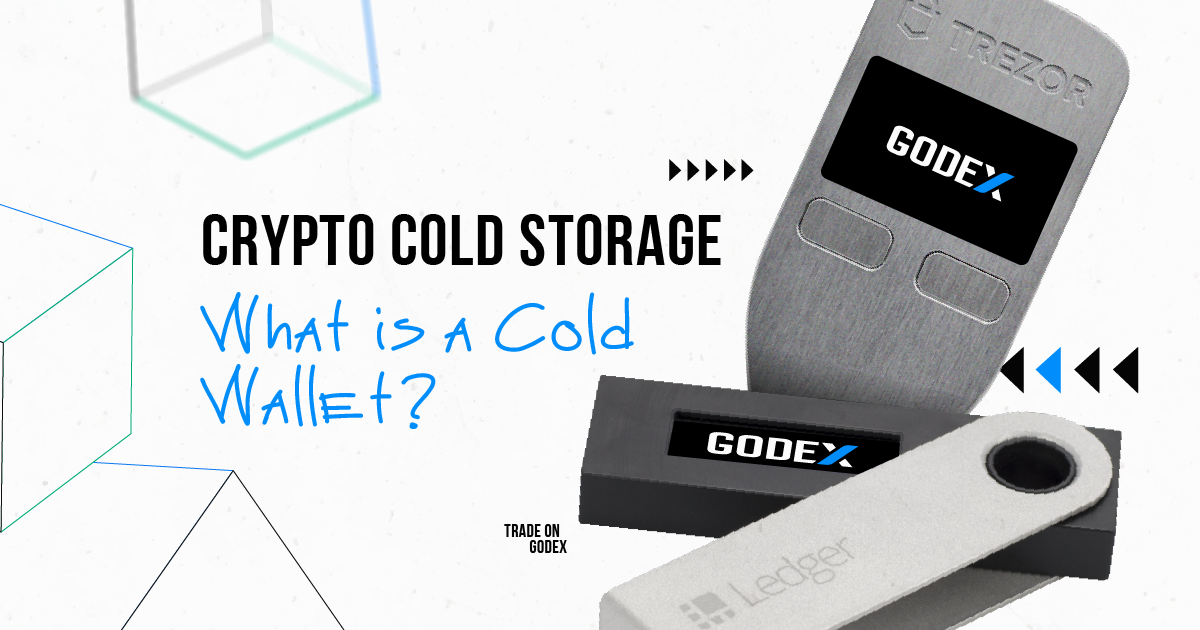
With the rise of cryptocurrency, effective estate planning has become necessary, particularly concerning hardware wallets. These devices store digital assets securely but present unique challenges in inheritance scenarios. The absence of a well-defined legal framework can lead to disputes and loss of assets for heirs. Understanding access protocols and the importance of documentation is vital for ensuring that loved ones can inherit these valuable digital holdings without complications.
Key Takeaways:
- Establish a clear legal framework for hardware wallet access and control in estate planning documents.
- Include specific instructions for heirs on how to manage and retrieve cryptocurrency assets.
- Consult with legal and financial experts to ensure compliance with relevant laws and regulations.
Understanding Crypto Assets
Before delving into the specifics of crypto estate planning, it’s important to understand the nature of crypto assets themselves. In the digital age, these assets have begun to take various forms, often representing significant value in the financial realm. With the growing interest in cryptocurrencies, individuals must familiarize themselves with what constitutes a crypto asset and how it operates within the digital economy.
Types of Crypto Assets
One main type of crypto asset is cryptocurrency, which includes well-known examples like Bitcoin and Ethereum. Another type is tokens, which can serve various functions, such as utility tokens or security tokens. Additionally, stablecoins maintain a value pegged to traditional currencies. The diversity of these assets can be summarized in the following table:
| Type | Description |
| Cryptocurrency | Digital currencies like Bitcoin and Ethereum. |
| Tokens | Digital assets representing security or utility. |
| Stablecoins | Cryptos pegged to traditional currencies. |
| Non-fungible Tokens (NFTs) | Unique digital items verified on a blockchain. |
| Decentralized Finance (DeFi) assets | Assets used in DeFi platforms for lending and borrowing. |
Any understanding of these types of crypto assets is vital for effective estate planning, especially considering their unique characteristics and the way ownership is established and transferred.
Importance of Ownership
Assets in crypto require distinct ownership considerations. With the value of digital currencies increasing, understanding how ownership is established is important for individuals and their beneficiaries. This is particularly important as traditional estate laws may not directly apply to digital assets, creating potential challenges in inheritance.
Crypto assets operate on decentralized networks, granting owners an exclusive right over their holdings. However, ownership extends beyond mere possession; it includes control over access keys and wallets, which directly influence inheritance processes. Therefore, ensuring that rightful heirs can access these digital assets in the event of the owner’s passing is vital. A robust estate plan should incorporate clear directives, ensuring beneficiaries can effectively access, manage, and transfer crypto assets when necessary.
Legal Framework for Inheritance
Some jurisdictions have begun to develop legal frameworks that cater specifically to the unique nature of cryptocurrency and hardware wallets. Despite the variances in regulations, many laws still categorize digital assets as property, which allows for similar inheritance rights as traditional assets. However, the lack of universal guidelines can create confusion regarding ownership and transferability during estate planning.
Current Laws and Regulations
Any estate planning strategy involving cryptocurrency must navigate an evolving landscape of laws and regulations. As of now, some countries recognize digital assets as part of the estate, while others do not. Moreover, the inconsistency in regulations can lead to significant legal complications, as the criteria for inheritance taxes, reporting, and beneficiary rights differ from jurisdiction to jurisdiction.
Challenges in Inheriting Crypto Assets
Around the world, individuals face substantial challenges when it comes to inheriting cryptocurrency. Unlike traditional assets, the decentralized nature of cryptocurrencies can obscure ownership. Without access to the hardware wallet or knowledge of private keys, beneficiaries may find it nearly impossible to retrieve assets. Additionally, the sentimental value associated with digital estate planning can lead to disputes among heirs.
To address these issues, it is necessary for individuals to establish detailed guidelines for accessing their hardware wallets and transferring ownership of digital assets. Implementing a clear inheritance plan can mitigate disputes and ensure that heirs are well-informed about the process. It is also important to consider the legal implications of digital asset inheritance, as failing to comply with local laws can lead to unintended consequences for both the decedent’s estate and the heirs.
Estate Planning Strategies
To effectively manage crypto assets within estate planning, it is vital to integrate both traditional and new strategies. This includes establishing clear guidelines for how hardware wallets and the cryptocurrencies they hold can be accessed and transferred after death. By utilizing legal tools such as wills and trusts, individuals can ensure their digital assets are passed on to intended heirs without complications or legal disputes.
Wills and Trusts for Crypto
Across various jurisdictions, the adoption of wills and trusts for crypto assets is gaining momentum. A well-drafted will can specify how digital currencies held in hardware wallets should be distributed, while a trust can provide ongoing management for those assets if necessary. It’s important to ensure that these documents include explicit instructions on accessing the wallets, as many hardware wallets require physical access and specific recovery phrases.
Designating Heirs and Beneficiaries
Around the topic of designating heirs and beneficiaries, clear communication is important in crypto estate planning. Individuals should ensure their loved ones are aware of the existence of their digital assets and how to manage them. This process can include sharing access information or recovery keys securely with trusted family members or a legal adviser.
It is advised to periodically review and update the list of heirs and beneficiaries as circumstances change. This includes not only family members, but also potential trusted friends or institutions that could manage the crypto assets if the owner is incapacitated or passes away. By doing so, you can mitigate the risks of the assets falling into inaccessible or unplanned hands, enhancing the control over your legacy.
Hardware Wallets Explained
Unlike traditional wallets that hold physical cash, hardware wallets are specialized devices designed specifically for securely storing cryptocurrencies. These wallets facilitate safe management and transactions of digital assets while providing a robust defense against hacking and theft. By keeping private keys offline, hardware wallets greatly reduce the risk associated with online storage solutions.
What is a Hardware Wallet?
To understand hardware wallets, it is vital to recognize that they serve as physical devices that store a user’s private keys necessary for accessing and managing cryptocurrencies. Unlike software wallets that reside on computers or mobile devices, hardware wallets are immune to software vulnerabilities and malware, making them a preferred choice for many investors seeking to protect their digital investments.
Security Features and Benefits
An vital advantage of hardware wallets lies in their unparalleled security features. These wallets use advanced encryption methods and have built-in safeguards against unauthorized access. Most hardware wallets require a physical button press or PIN code to confirm transactions, ensuring that only the owner can authorize movement of their funds.
The integrated security measures of hardware wallets include cold storage capabilities, meaning they store private keys offline and are not directly connected to the internet. This drastically reduces exposure to online threats, such as hacking and phishing attacks. Furthermore, reputable hardware wallets often incorporate backup and recovery options, allowing users to recover their assets in case of loss or damage. These features contribute to the overall trustworthiness and user control offered by hardware wallets in the cryptocurrency ecosystem.
Preparing for Inheritance
Many individuals overlook the importance of having a robust estate plan when it comes to cryptocurrencies. The unique nature of digital assets, particularly when stored in hardware wallets, necessitates a specialized approach to ensure that these assets are transferred smoothly to heirs. Establishing a clear strategy for inheritance can alleviate complications and disputes, providing peace of mind for both the owner and their beneficiaries.
Moreover, as the regulatory framework around cryptocurrencies continues to evolve, it is necessary to stay informed about any legal transformations that may impact estate planning. Taking proactive steps now can significantly benefit heirs in the future, enabling a straightforward process regardless of the external circumstances affecting the crypto market.
Documenting Access and Recovery
Above all, it is vital to create a detailed record of the access information for hardware wallets and related accounts. This documentation should include the passwords, recovery phrases, and any other authentication methods required for accessing the digital assets. Ensuring this information is stored securely yet is accessible to designated individuals will minimize risks associated with losing access to crypto holdings.
In addition to providing clear written instructions, consider including instructions for how to handle potential security measures, such as multi-signature wallets or hardware wallet recovery processes. By anticipating possible hurdles, individuals can make it easier for their heirs to recover and manage the assets without unnecessary difficulties.
Communicating with Heirs
Behind every successful estate plan is effective communication with heirs about the existence and management of digital assets. Ensuring that heirs understand their roles and responsibilities regarding these assets can mitigate confusion and potential conflicts. Transparency is necessary; providing clear information about the location of documentation and how to access hardware wallets can empower heirs to manage their inheritance efficiently.
Recovery planning is incomplete without an open dialogue with heirs. Discussing the nature of digital assets and outlining an inheritance strategy provides them with the necessary tools to navigate the complexities of crypto holdings. Engaging in these conversations not only fosters understanding but also reinforces the importance of these assets, helping heirs to appreciate their potential value and responsibilities. Ensure that your heirs are equipped to handle the digital legacy left behind by sharing knowledge about security practices and blockchain technology.
Case Studies
For analyzing the practical implications of crypto estate planning, several case studies highlight the varied experiences that individuals have had with the inheritance of hardware wallets. These examples underscore the importance of a solid legal framework and informed planning in managing digital assets. The following key cases demonstrate successes and challenges faced during the inheritance process:
- Case 1: Family members successfully accessed a hardware wallet worth $2 million after the owner left behind a detailed estate plan with access instructions.
- Case 2: An individual died without sharing their private keys, resulting in the loss of $500,000 worth of Bitcoin permanently.
- Case 3: A well-structured will including digital assets allowed heirs to recover a $1 million hardware wallet efficiently.
- Case 4: A court ruling granted access to a deceased man’s hardware wallet after proving ownership, resulting in the recovery of $300,000 in crypto.
Successful Crypto Inheritance
Successful cases of crypto inheritance often stem from comprehensive planning and communication. Individuals who took proactive measures to document their holdings, alongside clear instructions for access, significantly increased their heirs’ chances of acquiring the assets smoothly. By utilizing multi-signature wallets or trust funds, families have effectively navigated the complexities of digital asset inheritance, helping them avoid legal disputes and financial losses.
Effective use of technology to share critical information and establish a robust estate plan can lead to a seamless transition of digital assets. Individuals who engaged legal professionals with experience in cryptocurrency were also able to develop tailored strategies that incorporated the latest regulations, leading to a more successful wealth transfer to their heirs.
Complications and Lessons Learned
Along with the successes, several complications highlight the risks associated with crypto inheritance. Many families faced significant challenges when dealing with the lack of understanding about cryptocurrency and the implications of private keys. In cases where instructions were not clear or were omitted altogether, heirs struggled to access substantial holdings, leading to financial losses and frustration.
Lessons learned from these experiences include the necessity of transparency and the importance of a comprehensive strategy. It is vital to ensure that all parties involved are educated about the digital assets and their management. Furthermore, consistently updating the estate plan as the crypto landscape evolves can prevent future complications. Advancements in estate planning tools can aid in safeguarding assets, but inadequate communication among family members can lead to misunderstandings that may jeopardize inheritance. By addressing these vulnerabilities, families can work to achieve a successful transition of their digital legacies.
Final Words
To wrap up, establishing a legal framework for hardware wallet inheritance is important in crypto estate planning. As cryptocurrency gains popularity, the need for clear guidelines regarding asset transfer becomes increasingly important. Ensuring that designated beneficiaries have access to hardware wallets mitigates potential conflicts and confusion, allowing for a smoother transition of assets upon the owner’s passing.
Moreover, integrating traditional estate planning methods with modern technology can provide a comprehensive approach to asset management. By addressing legal considerations and documentation, individuals can safeguard their crypto-assets and uphold their wishes after death. A proactive strategy in crypto estate planning is necessary for individuals wishing to ensure their digital legacy endures and remains accessible to heirs.
FAQ
Q: What is the legal framework for inheriting hardware wallets?
A: The legal framework for inheriting hardware wallets involves establishing clear ownership and transfer protocols in estate planning documents. This includes wills, trusts, and power of attorney, which specify how digital assets are to be managed and distributed upon the owner’s passing. It’s vital to include access information and the location of wallets within these documents to ensure a seamless transition of digital assets.
Q: How can one ensure that heirs can access hardware wallets after death?
A: To ensure heirs can access hardware wallets, the owner should provide explicit instructions within their estate plan detailing how to access the wallets, including PINs or recovery phrases. It is advisable to use a secure location for storing this information, and sharing access details with trusted individuals or in a digital vault can facilitate access while maintaining security.
Q: Are there tax implications for inheriting cryptocurrencies stored on hardware wallets?
A: Yes, there can be tax implications when inheriting cryptocurrencies stored on hardware wallets. The fair market value of the assets at the time of inheritance may be subject to estate taxes, and heirs may also face capital gains taxes if they sell the assets later. Consulting a tax professional familiar with cryptocurrency is recommended to navigate these obligations effectively.