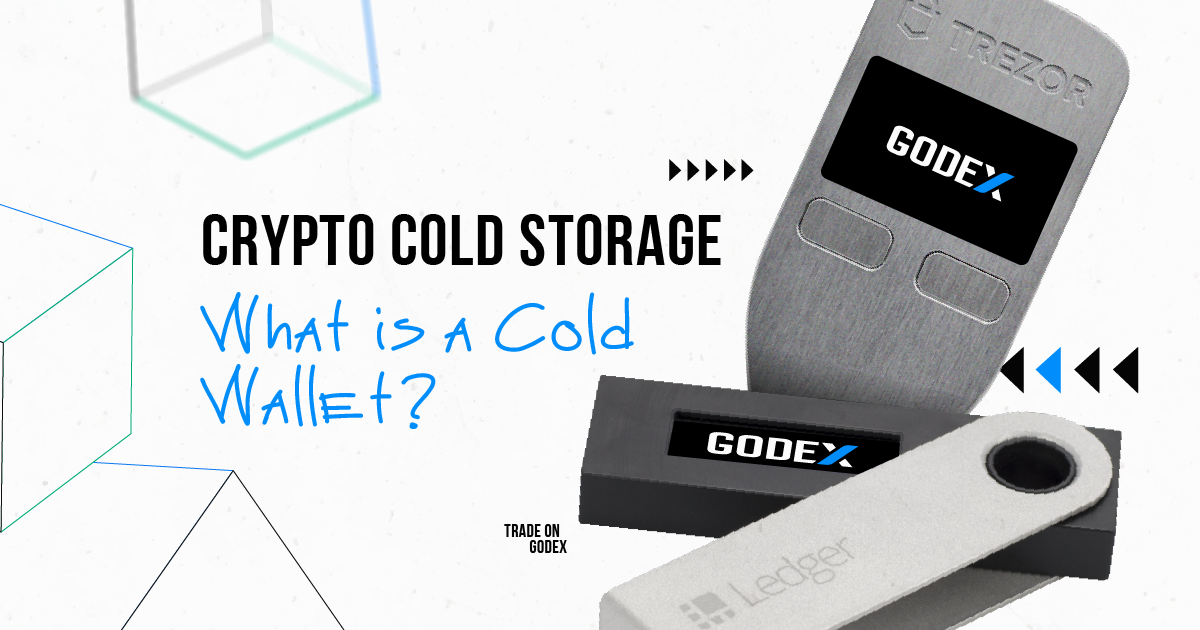
Security in the world of cryptocurrencies is paramount, especially when it comes to protecting your digital assets stored on hardware wallets. This guide provides a comprehensive approach to penetration testing, enabling you to identify and mitigate potential vulnerabilities in your wallet’s security. By following the steps in this DIY assessment, you will gain insights into threats and improve your wallet’s defenses, ensuring your investments are safeguarded against cyber threats.
Key Takeaways:
- Understanding the architecture and components of hardware wallets is fundamental for effective penetration testing.
- Implementing both physical and software-based testing methodologies enhances the security assessment process.
- Documentation of findings and remediation steps is important for continuous improvement in security practices.
Types of Hardware Wallets
Your hardware wallets can be categorized primarily into two types based on their connectivity and security features. Each type serves different user needs and presents unique advantages and vulnerabilities. The following table summarizes these types:
| Type | Characteristics |
|---|---|
| Hot Wallets | Connected to the internet, easier to use for transactions but less secure. |
| Cold Wallets | Offline storage, highly secure but less convenient for frequent transactions. |
| Multi-Signature Wallets | Require multiple keys for transactions, enhancing security. |
| Hardware Wallets | Physical devices that store private keys securely offline. |
| Paper Wallets | Physical printout of private keys and QR codes, vulnerable to physical damage. |
Thou must carefully consider the implications of the type of wallet you choose, as it directly influences your security and accessibility when handling cryptocurrencies.
Hot Wallets
Little do many users know that hot wallets, while convenient for quick transactions, carry substantial risks. Since these wallets are connected to the internet, they are susceptible to hacking and phishing attacks, putting your assets in jeopardy. Users often favor them for their ease of use, allowing for almost instantaneous access to funds, which can be a double-edged sword.
In short, the allure of convenience in hot wallets can overshadow the potential dangers. A true understanding of the security measures that can be implemented is important. Thou must weigh the trade-offs, knowing that while hot wallets afford immediate access to funds, they are not designed for long-term asset storage.
Cold Wallets
Wallets offer a significantly enhanced level of security by storing private keys offline. Cold wallets, such as hardware devices or paper wallets, are immune to online attacks, making them a safer choice for long-term storage of cryptocurrencies. However, the challenge lies in their accessibility; users must handle the transfer of funds more deliberately, as the process involves reconnecting the device or scanning a code.
This separation from the internet is what makes cold wallets particularly desirable for investors looking to hold significant amounts of cryptocurrency without exposure to online threats. Their robust security features safeguard against a range of vulnerabilities that hot wallets present. Still, users should exercise caution in managing their cold wallets, ensuring they do not misplace their keys or destroy their wallets, as loss would equate to irreversible asset loss.
Tips for Effective Penetration Testing
Clearly, conducting effective penetration testing requires meticulous planning and execution. It’s necessary to have a clear objective, a defined scope, and proper permissions to avoid any legal implications. Implementing a structured methodology can greatly enhance the efficacy of the assessment. Key tips include:
- Define your scope clearly to focus on relevant targets.
- Utilize a checklist to ensure thoroughness in testing.
- Document all findings and recommendations for future reference.
- Engage in post-assessment discussions with stakeholders.
Effective communication throughout the process is vital for understanding the findings and ensuring that appropriate measures are taken. Knowing these tips will enable testers to identify issues early and mitigate risks efficiently.
Essential Tools
Little is more valuable than having a robust toolkit for penetration testing on hardware wallets. It is advisable to leverage a combination of both open-source and commercial tools that specialize in security assessments. Tools such as Wireshark, Kali Linux, and Nmap provide foundational capabilities for network analysis and vulnerability scanning.
Furthermore, investing in specialist tools tailored for hardware security, like Chipsec and Osmocom, can enhance the depth of your assessments. Combining different tools allows you to uncover hidden vulnerabilities and develop a comprehensive security profile.
Common Vulnerabilities
An effective penetration test exposes common vulnerabilities inherent in hardware wallets. These vulnerabilities can often stem from insecure firmware, weak encryption, and inadequate user authentication mechanisms. Additionally, physical access can lead to exploitation if devices lack proper tamper resistance.
Vulnerabilities such as weak cryptographic implementations and insecure communication channels pose significant risks to hardware wallets. Attackers can exploit these weaknesses to steal sensitive information, including private keys, leading to severe financial losses. Addressing these vulnerabilities requires ongoing diligence and advanced security measures to safeguard user assets effectively.
Step-by-Step Penetration Testing Process
Now, the penetration testing process can be divided into several key phases. Each phase plays a vital role in ensuring a thorough security assessment of the hardware wallet. Understanding these steps will help you effectively evaluate the security posture and identify potential vulnerabilities.
| Preparation Phase | Execution Phase |
| Define goals and scope | Conduct active testing |
| Gather necessary tools | Identify vulnerabilities |
| Set up testing environment | Exploit vulnerabilities |
Preparation Phase
An effective penetration test begins with the preparation phase. Here, defining the goals and scope of the assessment is imperative, as it provides a clear framework for the entire process. Gathering all necessary tools, including software and hardware resources, ensures you’re equipped to tackle potential vulnerabilities.
Additionally, creating a testing environment that simulates the real-world conditions under which the hardware wallet operates allows for more accurate results. This environment should include proper isolation to prevent any unintended consequences during testing, ensuring that the device remains secure.
Execution Phase
Some important activities take place during the execution phase, where the actual penetration testing occurs. This phase involves actively testing the hardware wallet for vulnerabilities by conducting various attacks to ascertain weaknesses in its security mechanisms. Proper documentation of findings and exploitation techniques is vital for later analysis and reporting.
Execution focuses on both identifying vulnerabilities and attempting to exploit them ethically. The goal is to uncover potential security flaws without causing harm. A methodical approach during this phase not only helps assess the strength of the device’s defenses but also reinforces the necessity of maintaining robust security practices.
Execution of the penetration test includes implementing various attack vectors, such as fuzzing and social engineering, which reveal the hardware wallet’s weaknesses. Careful attention to detail during this phase ensures that significant vulnerabilities are not overlooked, allowing for comprehensive remediation strategies to be developed post-testing.
Factors to Consider in Security Assessment
All security assessments for hardware wallets must evaluate various factors to ensure robust protection. Assessing the security of a device involves understanding its software integrity, physical tampering resistance, and security updates availability. Key considerations include:
- Access controls
- Data encryption
- Backup procedures
- User authentication
Any gaps in these areas can lead to vulnerabilities that hackers may exploit, which is why a thorough evaluation is crucial.
User Behavior
For a complete security assessment, understanding user behavior is crucial. Users often expose their wallets to risks through poor practices, such as weak passwords, unverified software downloads, or falling for phishing attacks. Training users to recognize potential threats and adhere to security protocols can significantly decrease the risk of breaches.
Furthermore, establishing clear guidelines for transaction confirmations and notification awareness helps users remain vigilant and reduces the likelihood of social engineering attacks.
Device Security Features
Some features significantly enhance the security of hardware wallets. Look for devices equipped with secure elements, which provide enhanced tamper resistance and isolation for sensitive data. Regular firmware updates should also be available to patch vulnerabilities and improve security robustness. Additionally, support for multiple signature mechanisms can make unauthorized transactions exceedingly difficult.
Consider features like integrated backup options to prevent data loss, inactivity timeouts to automatically lock the device after a period without use, and biometric authentication for an extra layer of protection. These features significantly contribute to mitigating risks associated with physical theft and unauthorized access. Any lack of these crucial features may expose the user to severe security threats.
Pros and Cons of Different Wallets
Despite the variety of hardware wallets available, each comes with its own set of advantages and disadvantages. Understanding these pros and cons is vital for making an informed decision about which wallet to use for cryptocurrency storage. The following table outlines key features of different wallets:
| Enhanced security features | Higher cost compared to software wallets |
| Offline storage reduces hacking risks | Physical damage or loss can lead to asset loss |
| User-friendly interfaces | Initial setup can be complex for beginners |
| Support for multiple cryptocurrencies | Limited compatibility with some operating systems |
| Regular firmware updates for added security | Dependence on manufacturers for updates |
| Backup and recovery options available | Potential for human error during recovery steps |
| Transaction verification through physical device | Longer transaction times due to hardware requirements |
| Physical control over private keys | Not immune to social engineering attacks |
| Select wallets offer insurance coverage | Some wallets don’ t offer this feature |
| Multi-signature capabilities improve security | Can complicate the transaction process |
Advantages
Now, hardware wallets provide significant benefits, primarily through their robust security features. The offline storage inherent to these devices minimizes the exposure to online threats, making them a safer choice for long-term cryptocurrency storage. Additionally, many wallets support a variety of cryptocurrencies, allowing users to consolidate their assets within a single secure device, enhancing ease of use.
Moreover, hardware wallets often come equipped with user-friendly interfaces that allow both beginners and experienced users to manage their cryptocurrency efficiently. Regular firmware updates enhance security capabilities, ensuring that the wallets remain resistant to evolving threats. Backup and recovery options provide users with peace of mind, as they can restore their wallets in case of a lost or damaged device.
Disadvantages
An important consideration when selecting a hardware wallet is its disadvantages. While these devices offer heightened security, they typically come at a higher cost than software wallets. Moreover, losing or damaging a hardware wallet can result in total loss of assets unless a proper recovery plan is in place.
Cons of hardware wallets also include the potential for user error during setup and recovery, which could jeopardize investments. The requirement for firmware updates relies on the manufacturer’s diligence, and some wallets may not support every operating system, further limiting their usability. Additionally, the transaction process can be slower compared to software wallets due to the physical nature of hardware wallets, potentially frustrating users who prefer speed and efficiency.
Best Practices for Mitigating Risks
To effectively mitigate risks associated with hardware wallets, users should implement a multifaceted approach targeting security at various levels. Regular monitoring of wallet security, combined with the use of strong, unique passwords and two-factor authentication, can significantly enhance protection. Additionally, users should be aware of emerging vulnerabilities and scams to better understand potential threats.
Regular Updates
With regular updates, users can ensure that their hardware wallets are equipped with the latest security features. Manufacturers frequently release firmware updates to address known vulnerabilities and enhance overall device performance. Ignoring these updates can leave devices exposed to risks, making timely updates an crucial practice for maintaining security.
Backup Strategies
On establishing robust backup strategies, users should regularly create secure copies of their wallets’ recovery phrases and private keys. These backups should be stored in multiple secure locations to prevent loss from physical damage or theft. Utilizing encrypted formats for backups can also enhance protection against unauthorized access.
Updates to backup strategies should include periodic checks and refreshes to ensure that backup methods remain effective against emerging threats. Utilizing hardware security modules (HSM) or dedicated secure storage solutions can uncompromisingly safeguard sensitive information. In addition, employing strong encryption and removing backups from easily accessible locations can significantly reduce the risk of unauthorized access to critical security details.
Conclusion
Presently, the increasing interest in cryptocurrency has brought about the necessity for secure storage solutions. Hardware wallets serve as a popular method for safeguarding digital assets. However, the importance of conducting thorough penetration testing cannot be overstated, as this security assessment helps identify potential vulnerabilities that could be exploited by malicious actors. A DIY approach to testing not only enhances individual knowledge but also allows users to fortify their security measures effectively.
By following a structured guide for penetration testing, users can evaluate the security of their hardware wallets, ensuring their investments remain protected against evolving threats. Adopting a proactive stance towards security assessments enables users to maintain confidence in their storage solutions, ultimately contributing to a safer cryptocurrency ecosystem. As technology advances, continuous evaluation and improvement of security practices will be vital.
FAQ
Q: What is Hardware Wallet Penetration Testing?
A: Hardware wallet penetration testing is a security assessment method that evaluates the vulnerabilities of hardware wallets used for cryptocurrency storage. It involves simulating attacks to identify potential weaknesses in the wallet’s design, firmware, and user interface.
Q: What tools are needed for a DIY Hardware Wallet Security Assessment?
A: Essential tools for conducting a DIY hardware wallet security assessment include a multimeter, soldering iron, logic analyzer, and specialized software for firmware analysis. Having a controlled environment and access to relevant technical documentation also aids in the assessment process.
Q: How can I ensure my findings are useful after penetration testing my hardware wallet?
A: To ensure your findings are useful, document each identified vulnerability with clear descriptions, potential impacts, and suggested remediation strategies. Conduct thorough testing to verify that all critical areas are evaluated, and share insights with others in the community to contribute to better security practices.
This article is part of our Hardware Wallet Security Cluster — the most comprehensive security resource online. → Read the Full Security Guide → Most Secure Wallets Ranking