Hardware wallets are designed to keep cryptocurrency assets secure, but vulnerabilities can arise. Early warning systems play a vital role in detecting potential compromises, alerting users to suspicious activities and safeguarding their investments. These systems utilize advanced algorithms and monitoring techniques to identify anomalies, ensuring that users can respond swiftly to threats. By implementing effective detection measures, hardware wallet owners can enhance their security posture and protect their financial assets against cyber threats.
Key Takeaways:
- Early detection systems for hardware wallet compromises can significantly reduce financial losses.
- Integrating machine learning can enhance the accuracy of identifying suspicious activities.
- Regular software updates and user education are necessary for maintaining wallet security.
Overview of Hardware Wallets
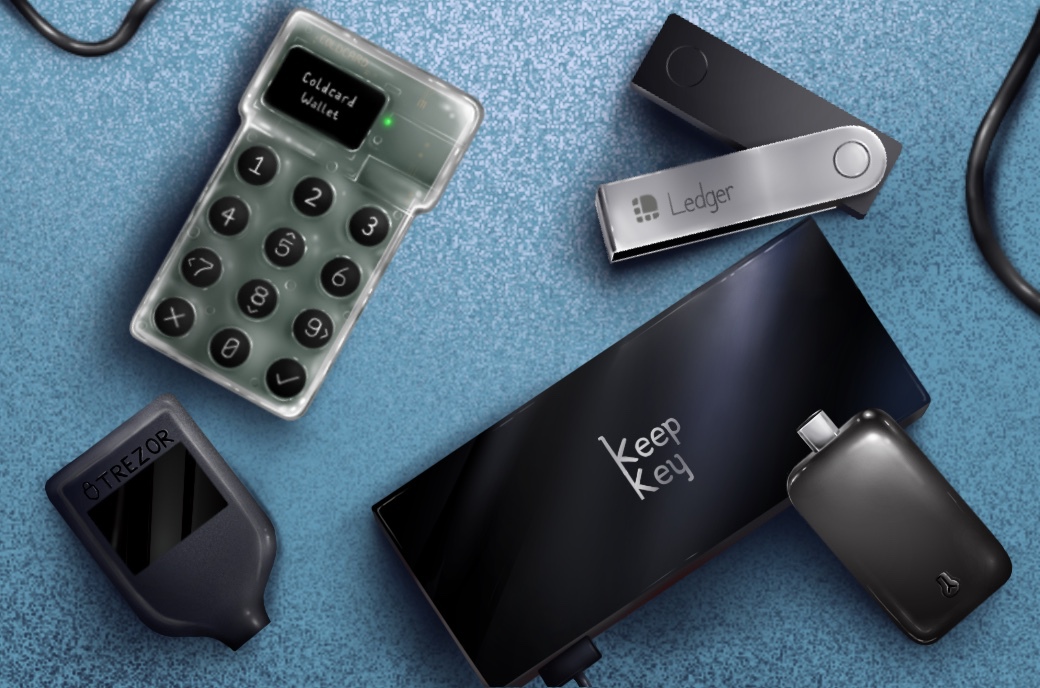
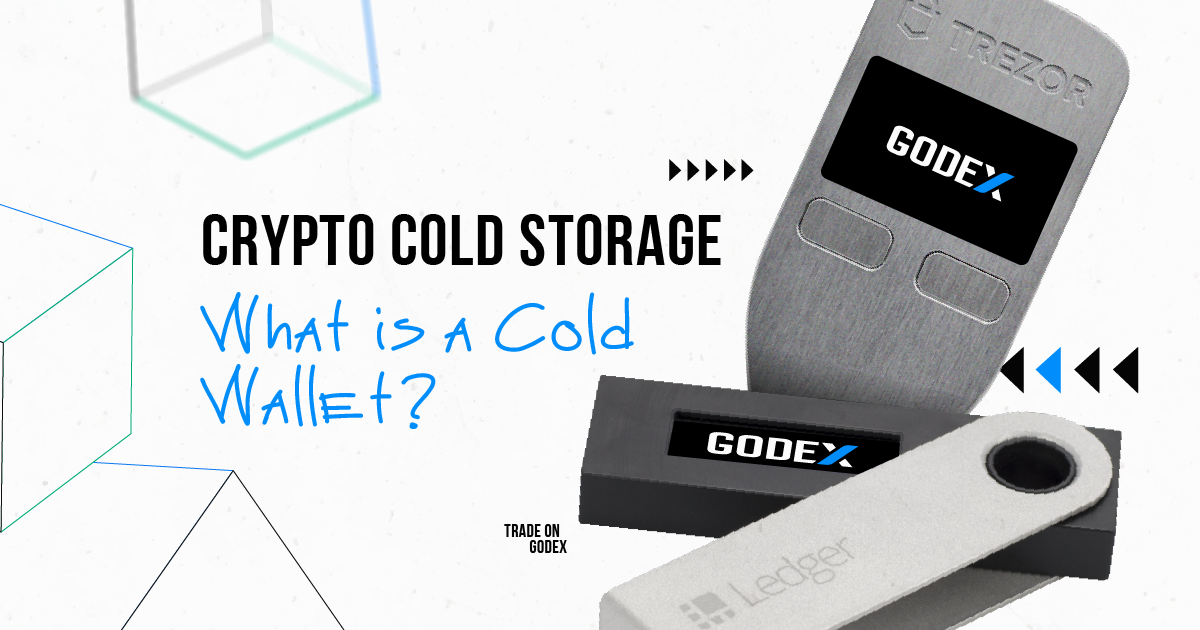
While managing cryptocurrencies, hardware wallets serve as specialized devices designed to securely store private keys offline. These wallets are built to prevent unauthorized access and protect users from online threats, making them a preferred choice for individuals who prioritize security in their digital transactions. By utilizing various security features, such as encryption and backup recovery, hardware wallets enhance the safety of cryptocurrency assets.
Definition and Functionality
Against the backdrop of a volatile digital currency landscape, hardware wallets have emerged as a reliable solution for safeguarding digital assets. These devices operate by generating and storing private keys securely within their hardware, minimizing the risk of exposure to malware and hacking attempts. The functionality typically includes a secure chip that interacts with various blockchain networks, allowing users to execute transactions with peace of mind.
Importance of Security
Above all, the security of hardware wallets is paramount, particularly in an age where cyber threats are ever-evolving. The potential for data breaches and malicious attacks poses significant risks to users’ cryptocurrency holdings. Utilizing a hardware wallet can provide enhanced layers of protection compared to software wallets, which are more susceptible to online threats.
Further emphasizing the significance of security, hardware wallets prevent unauthorized access through various measures, including multi-factor authentication and pin protection. The isolated environment in which they operate ensures that private keys remain safe from potential hacks, thereby securing the user’s investment. As cryptocurrencies become increasingly integral to financial ecosystems, the reliability of hardware wallets in protecting digital assets cannot be overstated.
Types of Compromises
Some common types of compromises affecting hardware wallets include:
| Physical Attacks | Manipulatory methods targeting the device |
| Remote Attacks | Exploiting software vulnerabilities |
| Malware Infections | Software designed to compromise security |
| Supply Chain Attacks | Compromising devices before purchase |
| Insider Threats | Exploitation by trusted individuals |
After identifying these types of compromises, users must employ robust measures to safeguard their hardware wallets.
Physical Attacks
On the hardware front, physical attacks can take various forms, including device tampering, side-channel attacks, and extraction of sensitive information through hardware exploits. These attacks often require direct access to the wallet, making physical security measures paramount in safeguarding digital assets.
To mitigate risks, users should implement strong physical security practices such as keeping devices in secure locations and using tamper-evident seals. Awareness of physical vulnerabilities significantly increases the overall security posture of a hardware wallet.
Remote Attacks
Attacks targeting hardware wallets from a distance are often executed through remote channels, utilizing network vulnerabilities or phishing techniques to gain unauthorized access to user information. These attacks can be executed without physical contact, making them more difficult to detect and prevent, often leading to significant financial losses.
To counter remote attacks, it is vital to maintain up-to-date firmware on the wallet, avoid suspicious links, and employ strong authentication methods. Establishing a secure environment and practicing online safety can drastically lower the risk of falling victim to such compromises.
Detection Methods
Despite advancements in hardware wallet security, effective detection of compromises remains a complex challenge. Proactive detection methods must be employed to identify potential vulnerabilities and unauthorized access, providing users with peace of mind. Traditional security measures alone may prove insufficient, emphasizing the need for innovative solutions that adapt to evolving threats.
Firmware Verification
Between the various methods available, firmware verification stands out as a foundational technique. By ensuring that wallet firmware is authentic and up-to-date, users can mitigate risks associated with compromised or malicious updates. Regular checks against known good states can alert users to possible tampering or unauthorized modifications, reinforcing the overall integrity of the device.
Behavioral Anomaly Detection
Methods to enhance behavioral anomaly detection involve monitoring transactional patterns and user interactions with the hardware wallet. By establishing a baseline of typical behavior, any deviations can signal potential security breaches. Such systems can flag unusual activities such as unexpected withdrawal amounts or transactions occurring from distinct geographic locations, triggering alerts to the user for further investigation.
Also, behavioral anomaly detection can leverage machine learning algorithms to improve accuracy and responsiveness. These algorithms analyze vast datasets to identify patterns, making it easier to spot unusual behaviors that may indicate an ongoing attack. Investing in these detection methods ensures that users can respond swiftly to any irregularities, further protecting their digital assets.
Early Warning Systems
All hardware wallet users face risks associated with potential compromises. Early warning systems are important for detecting anomalies, unauthorized access, or unusual transactions. By utilizing a combination of real-time monitoring, anomaly detection algorithms, and user notifications, these systems enhance the security framework surrounding hardware wallets, allowing users to act swiftly in case of threats.
All effective early warning systems are designed with a focus on user experience and seamless integration into existing wallet infrastructures. Security measures must be implemented to ensure that alerts do not produce false positives, which can lead to alert fatigue. Additionally, systems should be user-customizable to cater to individual risk profiles and preferences, ensuring timely and relevant notifications.
Design and Implementation
To create an effective early warning system, developers must prioritize robust architecture and scalability. This includes defining clear criteria for detecting signs of compromise, utilizing machine learning for pattern recognition, and ensuring a secure communication channel for alerts. Comprehensive testing should be conducted to validate the system against various attack scenarios and ensure reliability under different network conditions.
To promote user engagement, the system interface must be intuitive, enabling easy navigation and customization. User education on the nuances of alerts will further enhance the effectiveness, as users will be equipped to respond appropriately to genuine threats.
Integration with Wallets
Below the surface of hardware wallet technologies lies a strong need for integration with early warning systems. These systems not only serve to protect assets but also provide users with real-time insights into their wallet’s security posture. Enhanced integration can allow for automatic security updates, vulnerability detection, and transaction monitoring—all of which can substantially reduce the risk of loss.
Implementation of these systems demands collaboration between hardware wallet manufacturers and security software developers. The integration should facilitate seamless communication, allowing for immediate alerts and updates pushed directly to users’ devices. Comprehensive documentation and support ensure that users can easily enable and manage early warning features, thereby enhancing overall security and peace of mind.
Case Studies
Not every hardware wallet is impervious to attacks. Numerous documented cases highlight the importance of compromise detection and the implementation of early warning systems. Here are several significant case studies:
- Case 1: Ledger Breach (2020) – Over 1 million email addresses leaked, leading to targeted phishing attacks.
- Case 2: Trezor Phishing Attack (2021) – Users received fraudulent emails prompting them to enter their recovery seeds.
- Case 3: KeepKey Compromise (2019) – Vulnerability exploited, risking digital assets of several thousand users.
- Case 4: Bitfi Wallet Issue (2018) – Security flaws resulted in the compromise of private keys for a number of devices.
- Case 5: Electrum Wallet Spoofing Attack (2018) – Over $1 million stolen due to deceptive updates leading to malicious servers.
Real-World Compromises
Below are tangible examples of hardware wallet compromises that have significantly impacted users. Each case emphasizes vulnerabilities arising not only from wallet design but also from external threats targeting users directly. The Ledger breach, affecting over 1 million individuals, showcased how basic personal data can lead to targeted phishing scams that jeopardize user assets. Additionally, phishing attempts on Trezor users revealed how attackers could manipulate user perceptions of trust through fraudulent communications.
Lessons Learned
Beside the alarming statistics, these cases impart pivotal insights about securing hardware wallets. The necessity for multi-layered security measures became evident, with an emphasis on educating users regarding potential phishing attempts and common attack vectors. Instances such as the KeepKey compromise highlighted the need for companies to conduct regular security assessments and maintain open channels for reporting vulnerabilities.
A clear takeaway from the studies is the significance of proactive measures in hardware wallet safety. Companies must prioritize user education, informing them of the most common risks associated with their wallets. Furthermore, implementing robust alert systems will allow users to respond quickly to potential threats, safeguarding their assets more effectively.
Best Practices for Users
After acquiring a hardware wallet, users must prioritize secure and informed practices to safeguard their assets. Regular monitoring of wallet activity, understanding the implications of using public networks, and being cautious of phishing attempts are foundational measures. Users should also consider keeping their device firmware updated to mitigate vulnerabilities and ensure that any enhancements or fixes are implemented promptly.
Regular Updates and Maintenance
Before using a hardware wallet, setting a schedule for regular updates is vital. Wallet manufacturers frequently release firmware updates to patch security vulnerabilities and enhance functionality. Performing these updates should become a routine task for users to ensure that they are using the most secure version of their wallet. Additionally, maintaining backups of wallet recovery phrases and private keys in a safe place can prevent loss of access to assets.
Multi-Factor Authentication
Above all, implementing multi-factor authentication (MFA) can significantly augment the security of a hardware wallet. By requiring two or more verification steps before any access or transaction, users can drastically reduce the risk of unauthorized access. This method ensures that even if a user’s main credential is compromised, additional verification measures will thwart potential intruders.
Authentication methods such as biometrics, SMS codes, or authentication apps can add layers of protection. When used in conjunction with a hardware wallet, MFA can block attempts by malicious actors to access sensitive information. Users must ensure that each factor used is secure and not easily replicable, as weak MFA can still lead to unauthorized access.
Final Words
Hence, the implementation of effective hardware wallet compromise detection systems serves as a vital line of defense in the evolving landscape of digital assets. By utilizing early warning systems, users can gain timely insights into potential threats and vulnerabilities, ensuring a proactive approach to safeguarding their investments. These systems promote greater awareness and foster a culture of security, reducing the risk of significant financial loss due to negligence or oversight.
All things considered, as the cryptocurrency ecosystem continues to grow and attract malicious actors, the importance of robust detection methods in hardware wallets cannot be overstated. Adopting comprehensive monitoring solutions not only enhances individual security but also contributes to the overall integrity of the digital asset marketplace, establishing a safer environment for all participants.
FAQ
Q: What is hardware wallet compromise detection?
A: Hardware wallet compromise detection involves identifying potential security breaches or vulnerabilities in hardware wallets that could compromise the safety of stored cryptocurrencies. This process utilizes various monitoring techniques to detect unauthorized access or anomalies in wallet behavior.
Q: How do early warning systems enhance hardware wallet security?
A: Early warning systems enhance hardware wallet security by providing real-time alerts and notifications about suspicious activities. These systems analyze transaction patterns, monitor network connections, and assess device integrity, allowing users to take proactive measures before unauthorized transactions occur.
Q: What are common indicators of a compromised hardware wallet?
A: Common indicators of a compromised hardware wallet include unexpected transaction requests, unrecognized device connections, unusual changes to wallet settings, and prompts for firmware updates that are not initiated by the user. Monitoring these signs can help detect potential compromises early.
This article is part of our Hardware Wallet Security Cluster — the most comprehensive security resource online. → Read the Full Security Guide → Most Secure Wallets Ranking