Hardware wallets are important tools for securing your cryptocurrency holdings, offering a layer of protection against theft and hacking. In this blog post, you will explore various hardware wallets, analyzing their security features, strengths, and weaknesses. Understanding these differences will empower you to make an informed decision for safeguarding your digital assets. Join us as we break down the most effective options available, ensuring you choose the wallet that provides the best defense against potential threats.
Key Takeaways:
- Hardware wallets use different security features such as secure elements, PIN codes, and encryption standards, impacting their overall security effectiveness.
- Some wallets offer recovery mechanisms that can vary significantly in safety based on user implementation and security practices.
- User interface and ease of use play a key role in maintaining security; complex designs may lead to user errors that compromise wallet safety.
Decoding Hardware Wallet Architecture
Understanding the architecture of hardware wallets provides insights into their security mechanisms. Each wallet generally comprises a secure element (SE), a microcontroller, and interfaces for communications. The secure element is specifically designed to resist tampering and unauthorized access, housing your private keys securely away from potential online threats. Meanwhile, the microcontroller executes transactions and operations, serving as the processing unit that interfaces with the secure element for secure proof generation and validation.
Additionally, user experience plays a significant role in architecture. Wallets often incorporate screens and buttons to facilitate operations without relying entirely on external devices. Yet, flexibility in connectivity options, such as USB, Bluetooth, or NFC, can introduce varying levels of vulnerability during communications. An architecturally sound wallet balances accessibility and security, ensuring your digital assets remain protected against both physical and software-based attacks.
Comparing Chip Design and Security Features
| Wallet Model | Key Security Features |
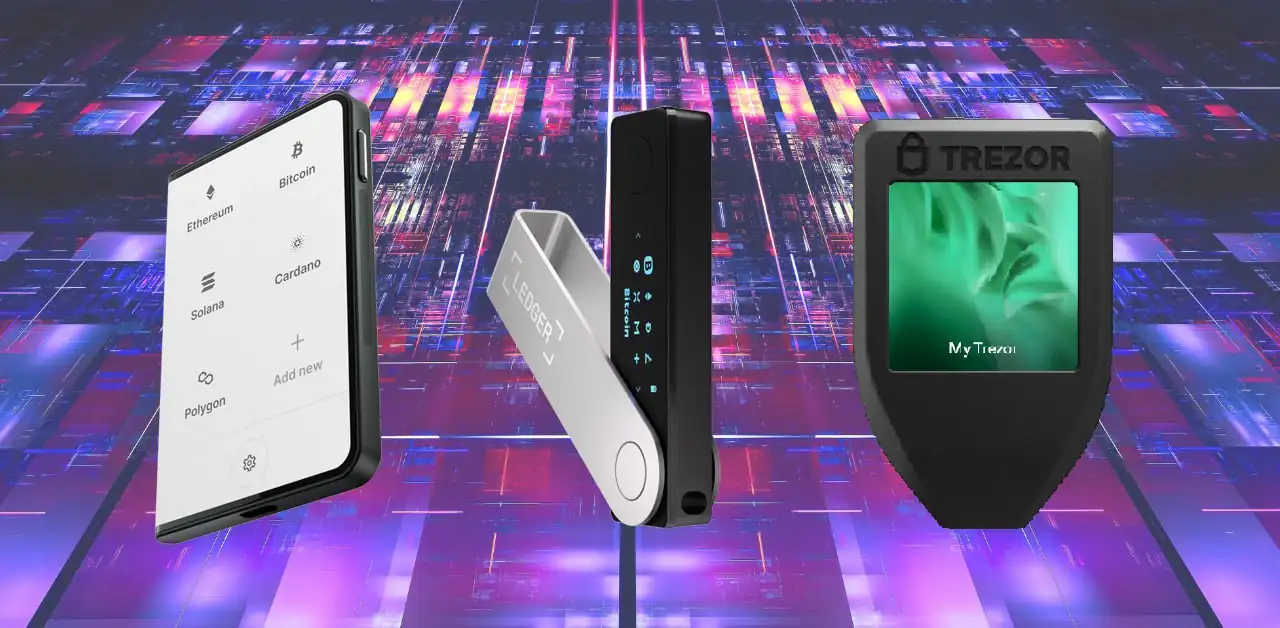
| Ledger Nano X | Secure Element (ST31H320), CC EAL5+ certified, Bluetooth Secure Connections |
| Trezor Model T | Custom ARM Cortex-M8, open-source firmware, Shamir Backup feature |
| Coldcard | Secure Element, air-gapped signing, multi-signature support |
The Role of Open Source vs. Closed Source Systems
Open source systems offer transparency, allowing users to examine the underlying code for vulnerabilities and improvements. This transparency fosters community engagement, enabling quick detection and patching of security issues. On the other hand, closed source systems may provide a streamlined user experience with potentially hidden security vulnerabilities that could jeopardize your assets. Both approaches have merit; your choice depends on whether you prioritize a hands-on approach to security versus a user-friendly interface.
When evaluating hardware wallets, the implications of open source versus closed source cannot be overstated. With open source, any weaknesses can be scrutinized and addressed by the community, reducing the likelihood of undiscovered vulnerabilities. Conversely, closed source systems may rely solely on the manufacturer’s claims, which could create blind spots in security assurance. Your decision should reflect how much control you want over your security measures, weighing the need for transparency against the complexity of management.
Evaluating Security Protocols
Breakdown of Cryptographic Standards
Understanding the cryptographic standards employed by hardware wallets is crucial for assessing their security. Most wallets use advanced algorithms like AES-256 for data encryption and SHA-256 for hashing, providing substantial protection against unauthorized access. Wallets that integrate Elliptic Curve Cryptography (ECC) can also offer enhanced security with shorter key lengths, making it difficult for potential attackers to execute brute-force attacks. Specific standards, such as FIPS 140-2, indicate that the device has undergone rigorous testing to meet governmental security criteria, potentially adding another layer of reassurance for you as a user.
Additionally, the implementation of secure elements can significantly enhance protection. Secure elements are isolated chips designed to handle sensitive data and cryptographic keys securely. If your wallet utilizes a secure element and has passed various certification protocols, the risk of exposing your private keys to malware or physical attacks decreases drastically, making this a pivotal factor in your decision-making process.
Assessing Vulnerability to Attacks
Your hardware wallet’s vulnerability profile is critical for determining its overall security. Various attack vectors are prevalent in the crypto space, including man-in-the-middle attacks, phishing attempts, and physical tampering. Users must evaluate how well their wallet defends against these threats. Some wallets have built-in protections, such as two-factor authentication or password protections that can alert you to suspicious activity, enhancing your security posture against unauthorized access.
Another significant aspect is the response of your wallet to potential threats. For instance, if you engineer a scenario where an unauthorized connection is attempted, the best hardware wallets will lock down and require a recovery phrase for access. This might not entirely prevent attacks but can significantly slow down or deter malicious actors, giving you ample time to secure your funds.
Regular firmware updates are also integral to reducing vulnerabilities. Hardware wallets that provide consistent updates will patch known exploits, thereby strengthening their resistance to emerging threats. Staying informed about security bulletins from your wallet provider can guide you in keeping your assets safe and minimizing risks associated with outdated software.
User Experience and Security Interplay
Balancing Usability and Protection
Your choice of hardware wallet heavily influences how you engage with your crypto assets. A wallet that prioritizes security through complex processes can frustrate even seasoned users. For instance, while a biometric-authenticated wallet may offer superior security, the added steps of verification can lead to abandonment during transactions. On the other hand, wallets that design intuitive interfaces often compromise on advanced security features to cater to user convenience. The key is finding a device that strikes a reasonable balance, allowing for smooth transactions without severely compromising your assets’safety.
Consider the Ledger Nano X, which provides a robust security architecture while also maintaining ease of use through its Bluetooth connectivity and user-friendly app integration. In contrast, less popular models may offer advanced cryptographic features but are burdened with non-intuitive interfaces, leading to potential errors during critical operations. Prioritizing a security-focused design without sacrificing usability can enhance your overall experience and protect your assets more effectively.
The Impact of User Behavior on Wallet Safety
Your actions significantly determine the effectiveness of any hardware wallet’s security features. In many cases, security breaches stem from user negligence rather than vulnerabilities in the hardware itself. For example, if you frequently connect your wallet to an unsecured network, the risk of hacking or phishing attempts increases dramatically. Likewise, neglecting to regularly update your device’s firmware puts your assets at risk by leaving known vulnerabilities unpatched.
Understanding the importance of physical security is equally vital. Leaving your hardware wallet exposed or failing to secure your recovery seed can lead to major losses. Implementing good practices around physical access and digital interactions can vastly enhance the overall safety of your investments. Awareness of your environment and consistent habits play a larger role than the wallet’s inherent features themselves.
Research shows that nearly 60% of security breaches in cryptocurrency are attributed to user error rather than technical flaws. This statistic underscores the necessity for adopting disciplined practices like utilizing two-factor authentication and carefully managing private keys. Following these measures can significantly reduce the risk of theft, ensuring your assets remain protected against potential threats while mitigating the need for overly complex security protocols.
Real-World Security Incidents
Analyzing Prominent Hardware Wallet Breaches
You may recall several significant breaches involving hardware wallets that have raised alarms in the cryptocurrency community. For instance, in 2020, the manufacturer of a popular hardware wallet suffered a data breach, exposing personal information of thousands of customers. This incident highlighted vulnerabilities in how sensitive data is stored and managed, as attackers gained access to customer names, emails, and even shipping addresses, emphasizing the need for enhanced data protection measures.
Another notable case involved a security flaw discovered in a widely-used hardware wallet, which allowed an attacker to manipulate the device’s firmware. This vulnerability was particularly alarming because it could lead to unauthorized access to users’ private keys without physical interaction. Such incidents demonstrate how even established companies might inadvertently compromise user security, leading to direct financial losses for affected users.
Lessons Learned from Security Failures
Security failures in hardware wallets underscore the importance of firmware integrity and the necessity for robust security practices. Users learned the hard way that a device’s protection can be only as strong as its weakest link, often found in its software. As a result, many wallet manufacturers now prioritize regular firmware updates to address vulnerabilities, reinforcing the idea that ongoing maintenance is just as vital as initial security measures.
Vulnerability disclosures have led to significant improvements across the hardware wallet industry. Many manufacturers have adopted more rigorous testing protocols, including third-party security audits that ensure any potential weak points are identified and resolved in advance. Additionally, the need for more transparency regarding security practices has prompted companies to share their incident response strategies publicly, fostering a culture of accountability in an industry that deals heavily in trust.
Expert Recommendations for Optimal Security
Criteria for Selecting the Best Hardware Wallet
Focus on several key features to identify a hardware wallet that meets your security needs. Look for devices that utilize secure elements, which are dedicated microcontrollers designed to protect cryptographic data. A strong emphasis on firmware updates is also vital, as manufacturers frequently patch vulnerabilities and enhance functionality. Ensure the wallet supports the coins you hold, as compatibility can significantly influence your asset management.
Consider the wallet’s backup and recovery options, which should enable you to restore your funds in case of device loss or failure. Multi-signature support can further enhance security by requiring more than one approval for transactions, adding another layer of protection. Prioritize brands with a proven track record and positive user reviews, reflecting their commitment to customer support and ongoing improvements.
Future Trends in Hardware Wallet Development
The hardware wallet landscape is evolving with advancements in technology that aim to enhance both security and user experience. The integration of biometric authentication, such as fingerprint or facial recognition, is becoming more common, providing an extra layer of security while simplifying access for users. Additionally, the push towards open-source software is gaining traction, fostering community audits that help identify and rectify vulnerabilities more quickly.
Artificial intelligence (AI) is poised to shape the future of hardware wallets by enabling predictive security measures that can adapt based on user behavior. For instance, AI can analyze transaction patterns to detect anomalies, potentially flagging fraudulent activity before it happens. These innovations not only bolster your security but also streamline your interactions with hardware wallets, making them an increasingly attractive option in the cryptocurrency ecosystem.
Final Words
From above, you’ ve examined various hardware wallets and their security features, allowing you to make an informed decision about which one offers the best protection for your assets. Each wallet presents a unique combination of security protocols, user interfaces, and additional features that cater to different needs. Your investment strategy, technical proficiency, and personal preferences will ultimately guide your choice.
As you evaluate these options, consider not just the technical specifications but also how each wallet fits into your overall security posture. Understanding the strengths and weaknesses of each device empowers you to select a wallet that enhances your digital asset safety. With the right hardware wallet, you can confidently protect your investments from potential threats, ensuring that your crypto journey remains secure.
FAQ
Q: What are hardware wallets and how do they protect my crypto assets?
A: Hardware wallets are physical devices designed to securely store cryptocurrency private keys offline. They protect assets by keeping the keys away from online threats, ensuring that transactions must be physically confirmed on the device itself, which minimizes exposure to malware and hacking attempts.
Q: How do I compare the security features of different hardware wallets?
A: When comparing hardware wallets, consider the following security features: encryption methods used, secure chip technology, support for biometric authentication, and the implementation of a recovery seed. Look for wallets with a strong reputation for security audits and update policies that address vulnerabilities promptly.
Q: Are all hardware wallets equally secure or are there notable differences?
A: Not all hardware wallets offer the same level of security. Differences may arise in design, firmware updates, backup options, and user interfaces. Research individual wallets for their security track record, user reviews, and any history of security breaches to make an informed decision on which provides the best protection.
This article is part of our Hardware Wallet Security Cluster — the most comprehensive security resource online. → Read the Full Security Guide → Most Secure Wallets Ranking