Just as you wouldn’ t leave your front door unlocked, securing your digital assets is vital in today’s cryptocurrency landscape. With the rise of cyber threats, developing a strong personal defense protocol is important for safeguarding your investments. By learning effective strategies and best practices, you can significantly reduce the risk of hacking, scams, and other vulnerabilities. This guide offers insights into building your protective measures, empowering you to navigate the crypto world with confidence and peace of mind.
Key Takeaways:
- Understand the importance of securing private keys and wallets against theft and loss.
- Implement two-factor authentication and use hardware wallets for enhanced security.
- Stay informed about the latest threats and best practices in the crypto security landscape.
Understanding Cryptocurrency Security
All cryptocurrency users must comprehend the intricacies of digital security. As the popularity of cryptocurrencies rises, so does the need to safeguard assets from various threats. Effective security measures are paramount in preventing unauthorized access and potential loss of funds. Individuals should familiarize themselves with best practices to ensure they implement an effective security strategy.
Common Threats and Vulnerabilities
With the increasing adoption of cryptocurrencies, users face numerous threats, including phishing attacks, malware, and hacking attempts. These vulnerabilities can lead to the theft of private keys or compromise of sensitive information. Additionally, users may encounter issues stemming from insecure wallets and exchange platforms, which can expose them to significant financial loss.
Importance of Personal Defense Protocols
Any cryptocurrency holder should establish robust defense protocols to combat these threats. Implementing strong passwords, using hardware wallets, and enabling two-factor authentication are crucial steps to protect digital assets. By actively engaging in personal security measures, individuals can minimize the risks associated with cryptocurrency transactions.
But these protocols are not just about preventing attacks; they also foster a greater sense of ownership and control over one’s finances. By adopting a proactive approach, users can significantly reduce the likelihood of becoming victims of cybercrimes. Establishing a personal defense protocol empowers users to take charge of their security, stay informed of new threats, and cultivate consistent practices to guard their assets.
Setting Up Secure Wallets
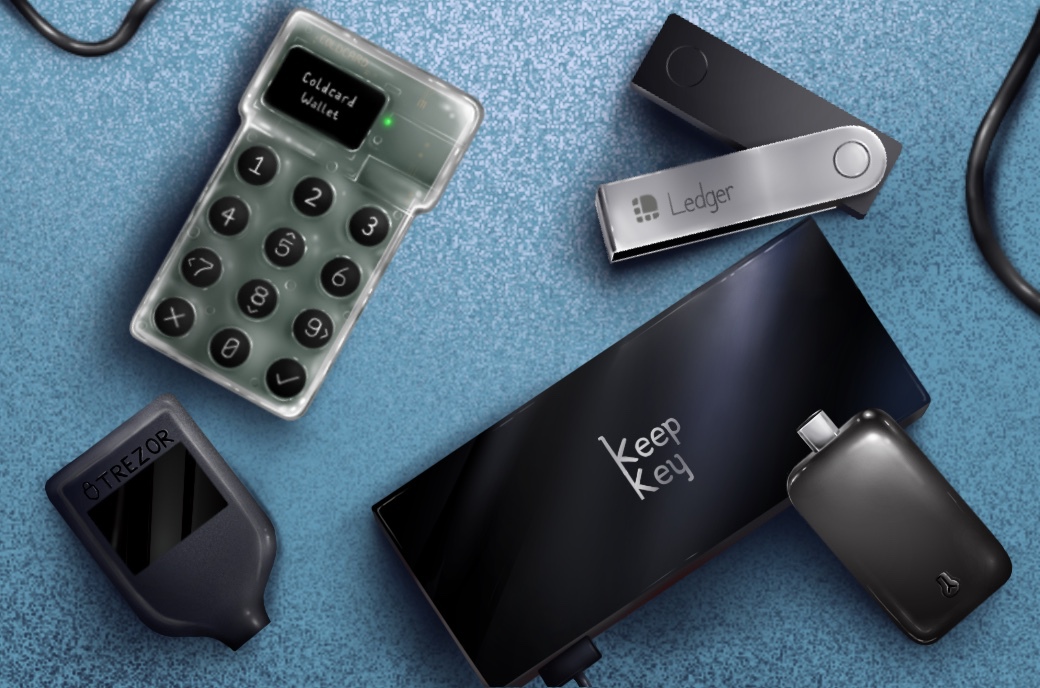
It is crucial to understand the various types of crypto wallets available to safeguard your digital assets effectively. There are three primary categories of wallets: hardware wallets, software wallets, and paper wallets. Each type has its own characteristics and security levels, making them suitable for different needs. Here’s a overview of these wallets:
Types of Crypto Wallets
| Wallet Type | Description |
|---|---|
| Hardware Wallets | Physical devices to store private keys offline, providing high security. |
| Software Wallets | Applications installed on computers or mobile devices for easy access. |
| Paper Wallets | Physical printouts of your keys and QR codes, completely offline. |
| Hot Wallets | Connected to the internet, offering convenience but at a higher risk. |
| Cold Wallets | Not connected to the internet, providing enhanced security against online threats. |
This variety allows users to select a wallet that best meets their security needs and usage habits.
Best Practices for Wallet Security
One of the most effective ways to secure your crypto wallets is to utilize multiple layers of protection. This includes enabling two-factor authentication, using strong passwords, and regularly updating wallet software. Additionally, it’s advisable to back up your wallet and store backup copies in different secure locations. Sharing information regarding your wallet should be avoided to reduce the risk of phishing attacks.
Practices such as regularly reviewing your wallet’s activity for unauthorized transactions and utilizing a hardware wallet for significant amounts can enhance safety. By understanding the nuances of wallet types and implementing these proactive security measures, you can significantly reduce the exposure of your assets to potential threats. Properly securing your wallets and incorporating best practices into your routine helps create a solid defense against cyber threats. This strategy lays the groundwork for a more secure cryptocurrency experience.
Two-Factor Authentication and Beyond
All users engaging with crypto assets should prioritize two-factor authentication (2FA) as a foundational security measure. This process adds an extra layer of protection by requiring not only a password but also a second component—typically a code sent to a user’s mobile device or generated by an authentication app. Implementing 2FA helps guard against unauthorized access, significantly decreasing the risk of account compromises that can lead to substantial financial losses.
Implementing 2FA
Beside reinforcing account security, enabling 2FA is often a straightforward process. Many wallets and exchange platforms provide clear instructions for setup. It’s advisable to utilize an authentication app rather than SMS for receiving codes, as SMS can be susceptible to interception, making accounts more vulnerable.
Additional Security Measures
To bolster protection beyond 2FA, users should consider employing strong, unique passwords, utilizing hardware wallets, and being vigilant about phishing attempts. Regularly updating passwords and ensuring that they are not shared across multiple platforms minimizes risk. Activation of withdrawal whitelists for known addresses can also prevent unauthorized transactions.
And, integrating multi-signature wallets adds another robust layer of defense by requiring multiple keys for transactions. Keeping software and applications updated protects against vulnerabilities, while being cautious about public Wi-Fi networks helps mitigate risks of interception. Collectively, these strategies form a comprehensive personal defense protocol against potential threats in the crypto space.
Recognizing Phishing Attacks
To effectively safeguard against phishing attacks, it’s vital to understand their common characteristics. Phishing attempts often impersonate legitimate organizations or individuals, attempting to deceive recipients into divulging sensitive information or clicking on malicious links. Identifying these fraudulent communications requires vigilance and an awareness of the tactics employed by cybercriminals, such as urgent language, incorrect grammar, and requests for personal information.
Identifying Suspicious Links and Emails
Along with being conscious of the sender’s identity, examining links before clicking is vital. Hovering over links will reveal the actual URL, enabling you to check for misspellings or unusual domain names that might indicate a phishing attempt. Suspicious emails may also exhibit inconsistencies in formatting, logos, or language, which could signal that they are not genuine.
Reporting Phishing Attempts
Above all, reporting phishing attempts is a significant step in enhancing overall security. Most organizations have dedicated channels for reporting these incidents, allowing for a coordinated response to these threats. Sharing information about phishing attempts not only helps in removing malicious content but also contributes to broader awareness and prevention efforts.
Understanding the importance of reporting phishing attempts can accelerate the detection of new threats. When individuals report these incidents, it enhances collective security measures and supports the development of tools that can effectively combat future phishing schemes. Engaging with your organization’s security team and utilizing platforms like anti-phishing reporting tools can make a substantial difference in mitigating risks associated with cyber attacks.
Keeping Software Up to Date
After establishing a strong foundation in understanding cybersecurity, the next vital step is to ensure that all software is consistently updated. Software updates are often released to address security vulnerabilities, enhance functionality, and improve user experience. Failing to implement these updates can leave your devices exposed to malware and other cyber threats that take advantage of outdated systems.
Importance of Updates
To maintain a robust defense against potential attacks, installing the latest updates is vital. Software vendors regularly patch weaknesses that could be exploited by hackers. These updates may seem small, but they can contain critical security enhancements that protect sensitive information and help maintain the integrity of personal and financial data.
Tools for Automated Updates
Updates are often available for operating systems, applications, and even security software that serve to bolster your defenses. By utilizing tools for automated updates, you can streamline the process and ensure that updates are applied regularly without manual intervention. This proactive approach decreases the risk of falling victim to outdated software.
Hence, using tools such as Windows Update, Mac App Store, or third-party solutions can significantly enhance your security posture. These systems can automatically download and install updates, saving time and eliminating the possibility of forgetting important patches. Automation not only simplifies the process but also fosters a more secure environment by ensuring that your software is always running on the latest, most secure versions.
Best Practices for Crypto Transactions
Once again, securing your crypto transactions is crucial to protecting your assets. Implementing best practices helps mitigate risks associated with digital currencies and ensures that your financial activities remain safe and sound.
It’s important to stay updated with the latest security protocols and potential threats in the crypto landscape. Utilizing multi-factor authentication and hardware wallets strengthens your defense against unauthorized access and theft.
Conducting Transactions Safely
Below are some guidelines for conducting transactions safely. Always confirm that you are using a secure network, avoiding public Wi-Fi for any crypto dealings. Furthermore, utilize a reputable wallet service and ensure your software is up to date to incorporate the latest security fixes.
Be wary of phishing attempts; always double-check URLs and never click on suspicious links. Establish a habit of verifying recipient addresses before sending any funds to prevent costly mistakes resulting from incorrect addresses.
Verifying Transaction Authenticity
Above all, verifying transaction authenticity is vital for maintaining security. Always cross-check transaction details, including the recipient’s wallet address and the amount being sent, before finalizing any transfer.
For instance, running a brief check on the recipient’s address can expose any discrepancies. Utilizing transaction tracking tools can confirm that the amount was successfully sent and received. Additionally, retain transaction receipts or confirmations for future reference, as this practice can assist in disputes or discrepancies down the line.
To wrap up
Hence, establishing a personal defense protocol is vital for navigating the complexities of cryptocurrency security. By understanding the different types of threats that exist and employing strategic measures such as two-factor authentication, secure wallets, and regular security audits, individuals can bolster their defenses against potential breaches.
Moreover, ongoing education and awareness are vital components of a robust security strategy. Engaging in continuous crypto security training will empower users to adapt to emerging risks and enhance their capability to protect their assets effectively. Therefore, committing to this training not only safeguards digital wealth but fosters a more secure crypto environment overall.
FAQ
Q: What topics are covered in the Crypto Security Training?
A: The training covers key areas including password management, secure wallet usage, recognizing phishing attempts, and best practices for maintaining privacy while trading cryptocurrencies.
Q: How can this training help me protect my crypto assets?
A: This training equips participants with knowledge and strategies to identify common security threats, implement effective security measures, and create a personalized defense protocol to safeguard their investments against cyber attacks.
Q: Is any prior knowledge of cryptocurrency required to participate?
A: No prior knowledge is necessary. The training is designed for beginners as well as individuals with some experience in cryptocurrency, offering a comprehensive approach to crypto security for all skill levels.
This article is part of our Hardware Wallet Security Cluster — the most comprehensive security resource online. → Read the Full Security Guide → Most Secure Wallets Ranking