Just as you evaluate your options for securing digital assets, understanding the key features of hardware wallets is crucial. This comparison focuses on vital elements like screen size and multi-currency support, which greatly impact your user experience and investment safety. By choosing a hardware wallet that aligns with your needs, you can enhance your overall security and make informed decisions about managing your cryptocurrencies.
Key Takeaways:
- Screen size can affect usability; larger screens provide easier navigation and data visibility.
- Multi-currency support allows users to manage various cryptocurrencies on a single device, enhancing versatility.
- Additional features, such as Bluetooth connectivity and biometric security, can influence user experience and device security.
The Significance of Screen Size in Hardware Wallets
User Experience and Accessibility
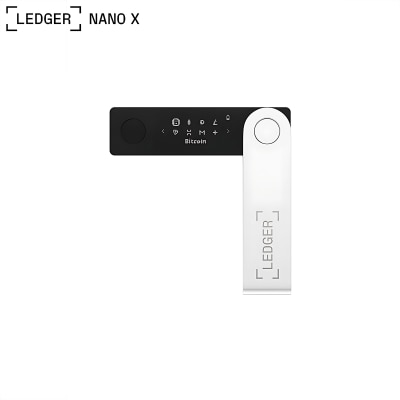
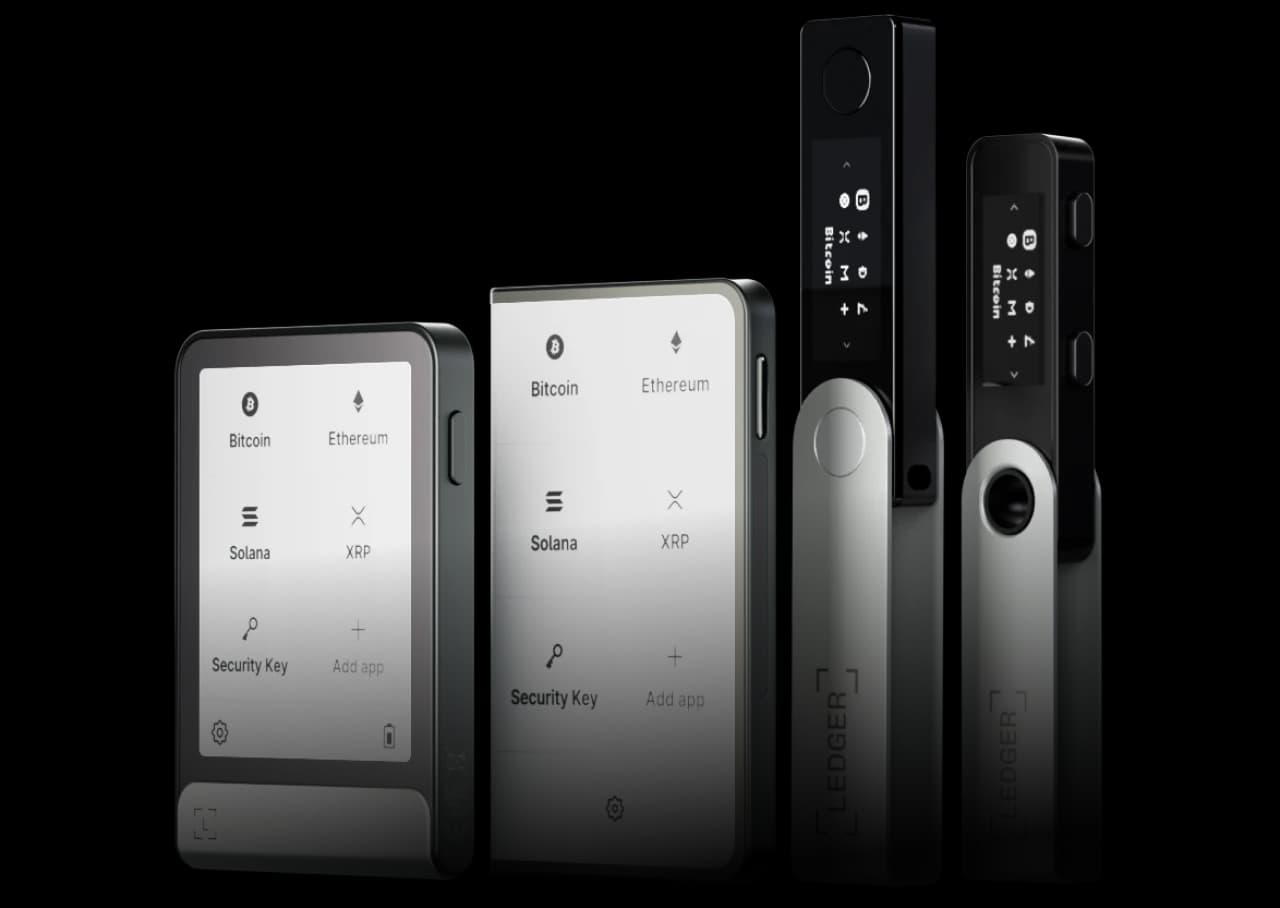
A larger screen on a hardware wallet significantly enhances user experience. With more screen real estate, you can view detailed transaction information, including amounts and recipient addresses, at a glance. Models like the Ledger Nano X, which boasts a 2.6-inch screen, allows you to navigate complex transactions with ease. If you opt for a wallet with a smaller display, such as the Trezor One, you might find yourself squinting at tiny text or toggling through multiple screens, which can lead to errors during transaction confirmation.
Accessibility is equally impacted by screen size. For those with vision impairments, a larger, more legible display can be a game-changer. A wallet with adjustable brightness and contrast settings further improves usability, allowing you to tailor the device to your specific needs. These features not only make interacting with your wallet more comfortable but also enhance overall security by reducing the likelihood of input mistakes.
Navigating Multi-Functionality
The ability to handle various cryptocurrencies is imperative in today’s diverse crypto market. A hardware wallet with a larger screen can simplify the process of switching between multiple currencies, showing you a clear and concise list. For instance, the KeepKey, equipped with an ample display, offers an intuitive interface for managing 40+ coins. Conversely, smaller screens may restrict efficient multitasking, requiring more input to switch between assets.
Using wallets with expansive screens allows you to engage more fully with the features that come with multi-currency support. The display can illustrate portfolios, recent transactions, and detailed asset information side by side, making it easier to assess your holdings comprehensively. Wallets like the BitBox02 emphasize this aspect, focusing not only on security but also usability by streamlining the management of multiple coins through an accessible display.
Multi-Currency Support: A Game Changer
The Importance of Diverse Asset Management
Managing multiple cryptocurrencies in a single wallet allows you to seize various investment opportunities and reduces the hassle of using different wallets for different assets. With the ability to store Bitcoin, Ethereum, and altcoins in one place, you can efficiently monitor and manage your portfolio. This unified approach not only simplifies transactions but also enhances security, as your funds are less scattered and more protected.
A wallet that supports diverse currencies ensures you have flexibility in responding to market trends. If you decide to diversify your investments or pivot to new cryptocurrencies, having a multi-currency wallet eliminates the need for constant wallet switching. You enhance your trading capabilities and streamline your overall financial strategy.
Comparing Supported Cryptocurrencies Across Wallets
Different hardware wallets offer varying levels of support for cryptocurrencies, which can greatly influence your choice. Some wallets focus mainly on popular currencies, like Bitcoin and Ethereum, while others provide extensive support for hundreds of altcoins. For example, Ledger and Trezor wallets typically boast compatibility with more than 1,000 cryptocurrencies, making them appealing for savvy investors looking to diversify. On the other hand, some more niche wallets may only support a select few, limiting your trading options.
Overall Multi-Currency Support Comparison
| Wallet | Number of Supported Currencies |
|---|---|
| Ledger Nano X | Over 1,800 |
| Trezor Model T | Over 1,600 |
| SafePal S1 | Over 1,000 |
| CoolWallet Pro | Over 500 |
The variety of supported cryptocurrencies is vital for maximizing potential returns and managing risk. Investing in a wallet with broad options enables you to trade multiple digital assets without the friction of transferring between various wallets. This accessibility supports strategic transactions, such as trading coins based on market trends, thus adding valuable flexibility to your investment strategy.
Detailed Supported Currency Comparison
| Wallet | Examples of Supported Currencies |
|---|---|
| Ledger Nano X | Bitcoin, Ethereum, Litecoin, Cardano |
| Trezor Model T | Bitcoin, Bitcoin Cash, Zcash, Dash |
| SafePal S1 | Bitcoin, Ethereum, Binance Coin, Solana |
| CoolWallet Pro | Bitcoin, Ethereum, TRON, Polkadot |
Security Features That Matter
Multi-Layered Protection Approaches
Your hardware wallet should provide more than a single layer of security. Look for solutions that combine PIN protection, two-factor authentication, and seed phrase encryption. Each layer adds a barrier against unauthorized access, helping to keep your assets secure. For instance, a wallet that requires both a PIN and a biometric scan offers enhanced protection. This multi-layered approach reduces vulnerabilities by requiring multiple credentials, making it significantly harder for hackers to gain access.
Additionally, several hardware wallets incorporate self-destruct mechanisms to deter theft. If incorrect attempts to access the wallet exceed a certain threshold, the device can automatically wipe all stored data. This feature ensures that even if your wallet is physically compromised, your assets remain protected. Choosing a wallet that leverages these multi-layered security measures can provide peace of mind as you manage your digital assets.
The Role of Hardware vs. Software Security
Hardware wallets inherently possess advantages over their software counterparts due to their physical isolation from the internet. Unlike software wallets that can be easily compromised through malware, a hardware wallet keeps your private keys offline, significantly mitigating the risk of online attacks. This separation from potential cyber threats also reduces the attack surface significantly. Strong encryption techniques embedded in hardware wallets further safeguard your assets against both physical and virtual threats.
Software security relies heavily on the user’s system and network integrity. While modern operating systems employ various security measures, they are susceptible to zero-day exploits and phishing attacks. It’s imperative to understand that even the most secure software wallet is vulnerable if your device has any malware present. Thus, hardware security remains superior due to its dedicated design for secure key storage, providing an extra layer of confidence for your cryptocurrency holdings.
Connectivity Options: Wireless vs. Wired
Evaluating Convenience and Speed
Choosing between wireless and wired connectivity for your hardware wallet can significantly affect your user experience. Wireless options often provide enhanced convenience, allowing you to connect your device via Bluetooth or Wi-Fi, making transactions seamless and quick. For instance, if you frequently use your wallet for everyday transactions, the ability to connect without the hassle of cables can save valuable time. However, wired connections typically offer faster transaction speeds since they bypass potential interference from other devices.
Considering specific examples, wallets like the Ledger Nano X support Bluetooth, benefiting users who demand portability and ease of use. On the other hand, sticking to a wallet like the Ledger Nano S, which relies on a USB connection, assures you of a direct and possibly faster communication line with your device. Ultimately, your choice will depend on your personal preferences—whether you prioritize convenience or speed in your daily operations.
The Impact on Security and Performance
Security can differ substantially between wireless and wired connections. Wireless connectivity introduces potential vulnerabilities, as signals can be intercepted if proper encryption measures aren’ t in place. For example, hackers have been known to exploit Bluetooth connections to gain unauthorized access to devices. In contrast, a wired connection provides a more secure channel for transactions, as there’s no signal to intercept. However, it’s vital to ensure that your device’s software is always up-to-date to mitigate risks associated with wired connections, such as vulnerabilities within the hardware itself.
While wired connections offer superior security by eliminating external signal risks, they may present flexibility challenges. For instance, if your setup requires mobility, a wired device can be cumbersome. On the flip side, encrypted wireless protocols can also protect transactions, but they require additional safeguards to ensure your data remains secure. Balancing these factors is important to ensure you have both security and practical usability tailored to your cryptocurrency needs.
Durability and Portability Trials
Materials and Design Considerations
The materials used in hardware wallets play a significant role in their overall durability. Look for models constructed from robust materials such as stainless steel or high-grade plastics, which can withstand physical stress and environmental factors. For instance, wallets that feature a metal casing not only resist wear and tear but also offer enhanced protection against theft through their robust design. Additionally, waterproof claims are important if you’ re frequently traveling or will be in environments where spills are a risk.
Design aspects, like ergonomic shape and weight, also affect portability. If you plan on keeping your wallet in a pocket or bag, a lightweight and compact design is preferable. Models with an integrated keychain or a slim profile make it easier to carry without adding bulk to your daily importants, ensuring you can access your assets conveniently without compromising on security.
Travel-Friendly Features and Their Importance
Travel-friendly features can significantly enhance the user experience when using a hardware wallet on-the-go. Options like built-in biometric security or password protection add an extra layer of security, which is vital when navigating unfamiliar environments. Moreover, wallets that support multiple languages or offer accessible customer support for travelers can alleviate concerns during international trips.
Travel-friendly features ensure you maintain access to your cryptocurrencies while minimizing risks associated with theft or loss. Features like compact size and robust security measures are designed specifically for the mobile user, allowing you to stay secure and connected to your investments regardless of location. Consider wallets that also include protective accessories, such as carrying cases, which can guard against daily wear and damage while traveling.
Final Words
Drawing together the insights from the comparison of hardware wallet features, it is evident that factors like screen size and multi-currency support play significant roles in enhancing your user experience. A larger screen can make navigation easier, allowing you to access your digital assets with greater convenience, while multi-currency support ensures that you can manage diverse cryptocurrencies without needing multiple wallets. Choosing a hardware wallet that aligns with your specific requirements will ultimately provide you with a more efficient and enjoyable experience in managing your investments.
Additionally, evaluating other features such as security protocols and ease of use will further empower you in making an informed decision. By prioritizing these attributes in your selection process, you stand to benefit from a solution that not only secures your assets but also adapts to your evolving cryptocurrency journey. Your choice of hardware wallet should reflect your individual needs, providing functionality, security, and ease of access that support your financial growth.
Q: How does screen size impact the usability of hardware wallets?
A: A larger screen size can enhance user experience by making it easier to view transaction details, address entries, and overall navigation. Wallets with bigger screens often allow for clearer interfaces and more straightforward interactions, making it easier for users to manage their assets effectively.
Q: What is the significance of multi-currency support in hardware wallets?
A: Multi-currency support allows users to store and manage various cryptocurrencies within a single wallet. This feature is significant for users holding diverse assets, as it simplifies the management process and eliminates the need for multiple wallets, providing a streamlined solution for cryptocurrency storage.
Q: Are there any additional features to consider besides screen size and multi-currency support?
A: Yes, additional features to consider include security protocols (such as biometric authentication), user interface functionality, backup options, firmware update processes, and integration with software wallets. These features can enhance security and usability, providing a more comprehensive solution for cryptocurrency management.
Explore our complete Hardware Wallet Comparison Cluster — rankings, brand vs brand guides, and expert analysis. → Full Comparison Guide → Ledger vs Trezor